


For this week’s dispatch, budding restaurateur George McNally (that McNally:) took Aliza Abarbanel, co-founder and co-editor of Cake Zine, on a pre-opening tour of his new, highly-awaited restaurant, Faux, and its speakeasy-style nightclub downstairs, Prevz. She writes: “Much has been reported on the symbolism of Faux opening a possible Tribeca revival — it’s just blocks away from the Odeon, and the now-closed Lucky Strike (soon-to-be the anticipated Straker’s) — but George says there wasn’t a scheme to put his stamp on the neighborhood: “I just told the broker anything underneath 25th Street.” But first!
Newsy Things This Week:
Bienvenue — Daniel Boulud’s new restaurant, Brasserie Boulud, is opening mid-September at Lincoln Center. The New York Times reports it’s his largest spot in the city, with 320 seats, and will serve bistro classics alongside some Boulud Sud (RIP) faves, like the DB Burger stuffed with foie gras (which made the Guinness Book of World Records for being the most expensive burger globally at the time). For a little extra Boulud, revisit John’s convo w/him here ⬇️
Clink Click — It’s exciting to see Substack launch a Wine + Spirits category as we gear up to announce our own Wine Column (coming 🔜). Until then, some people who make content we enjoy in the space: Wine, Restaurants, People by Victoria James, Swurl, and the Super Vino Bros.
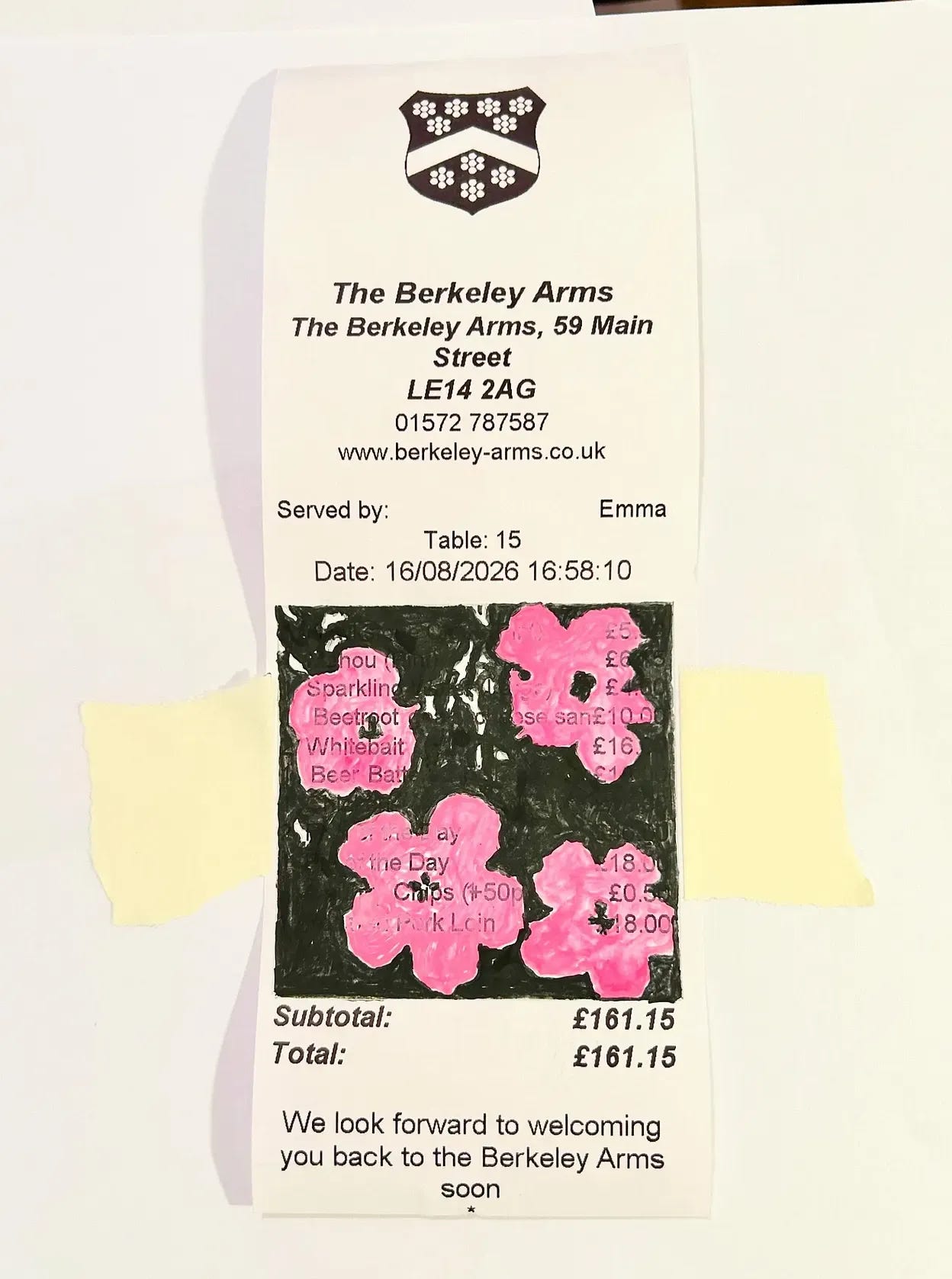
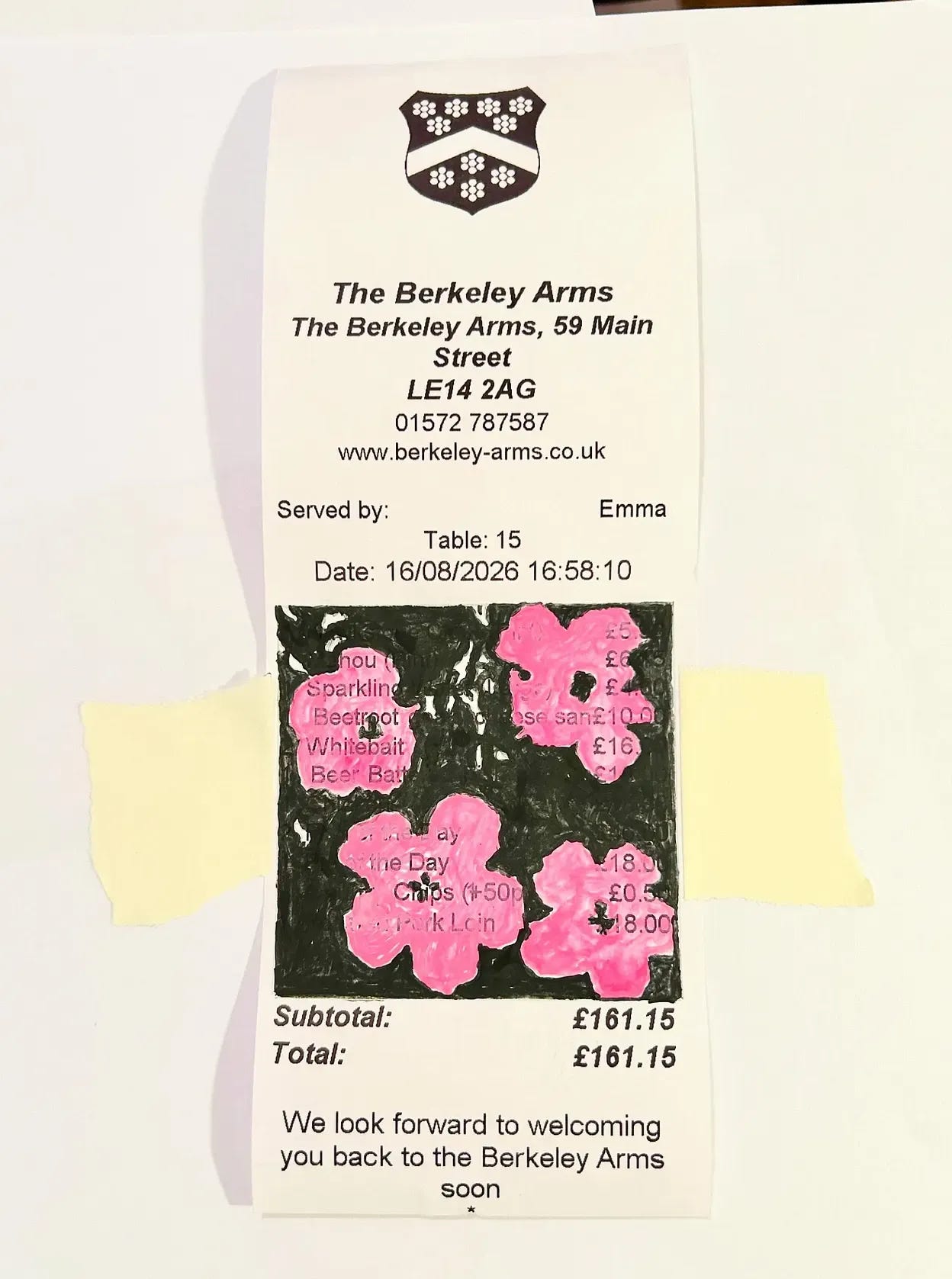
Keepsake — We’re loving artist Jonathan Monk’s marvelous receipt drawings — with recreations of works by Andy Warhol, Donald Judd, and more — that he sells on Instagram for the price of the meal.
Star-maker — For Bloomberg, Matthew Kronsberg did a deep dive into The Strange New Rules of Restaurant Names. It’s a fascinating read on the ways merchandise, licensing, packaged foods, and even AI are influencing how a “brand” is born in 2026.
8-ball — Lindsay Lohan and Cyndi Lauper once did “competing handstands against the wall” (Cyndi apparently won) and more wild stories from Vanity Fair’s oral history of the legendary Bungalow 8 🌴.
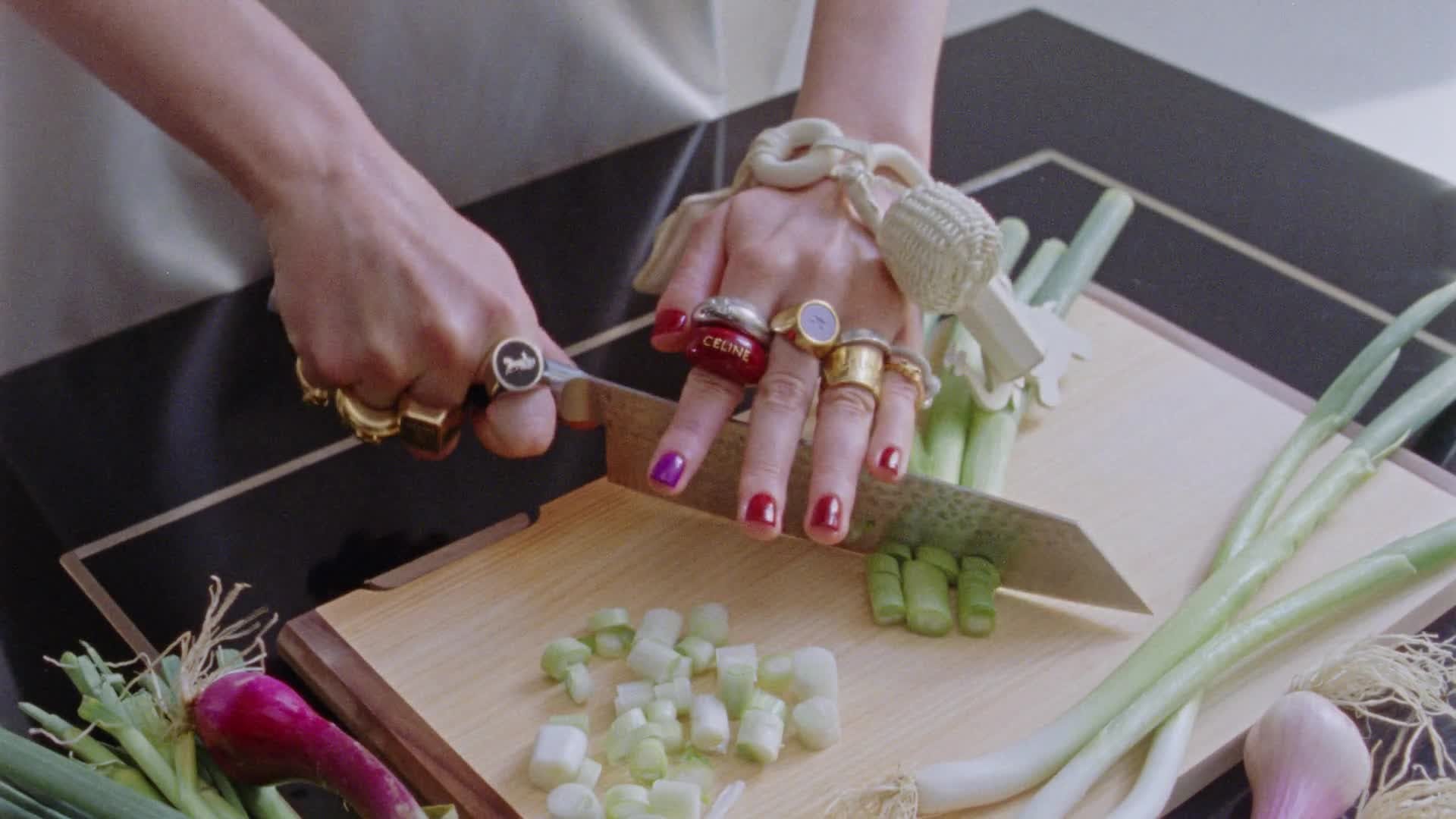
Chop Chop — Some parting eye candy via Celine’s Winter 2026 campaign:

What We’re Buying This Week:
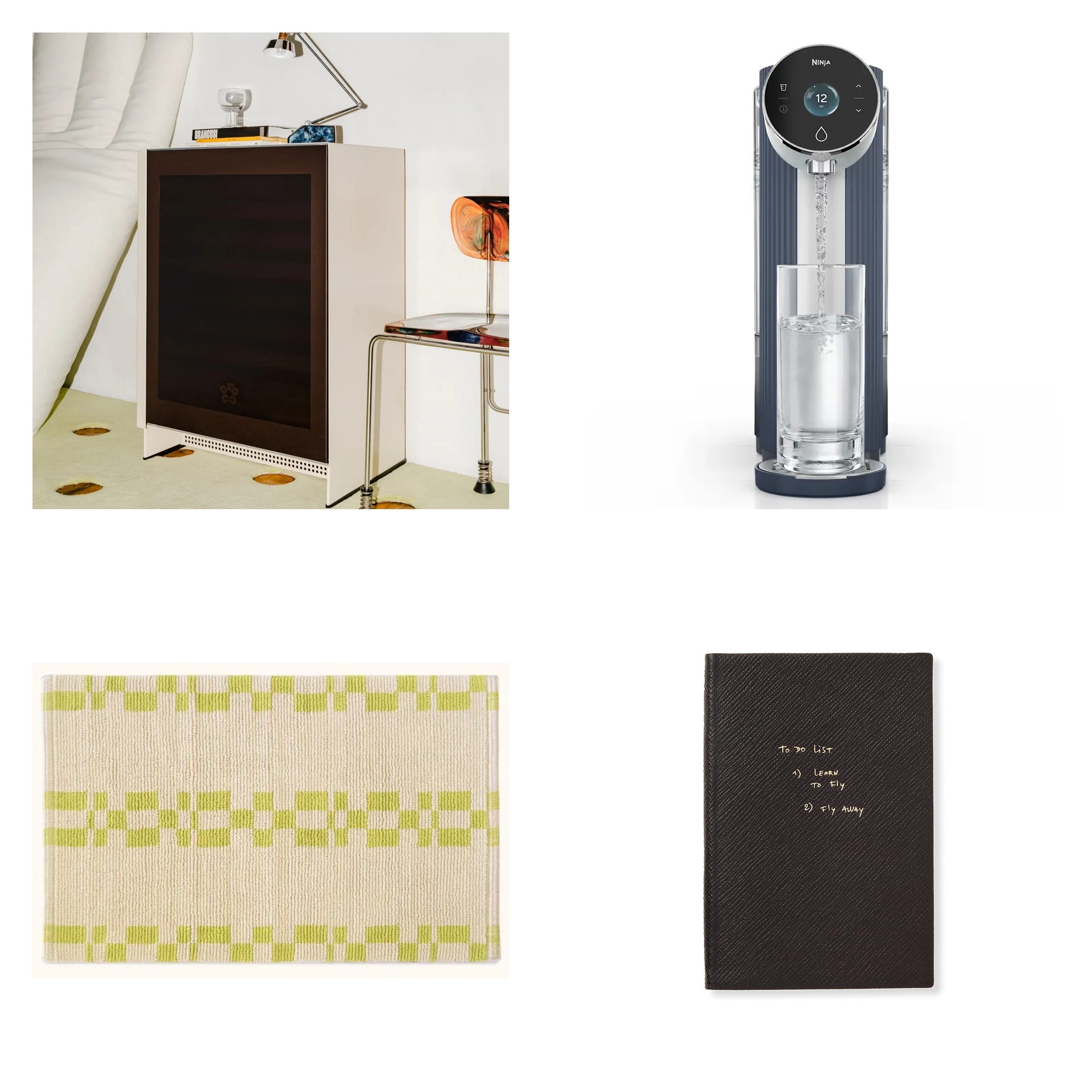
From left: 1. Rocco introduced The Essential, a less-pricey version of its best-selling fridge that looks just as good; 2. Ninja’s new Hydrasense water filtration system, AKA a sleek, tech-forward upgrade to your Brita; 3. This playful notebook from Smythson, designed in collab with French artist Thomas Lélu; 4. A lime/ecru kitchen rug you can throw in the washing machine.
Quick housekeeping reminder: Paid subscriptions will be turned on mid-Sept; we’ll be sharing more details about what that will look like soon. Have a great Labor Day Weekend. — Team OTH
Two blocks away from resolute tourists eyeing counterfeit Dior bags on Canal Street, Faux, the decidedly real restaurant from George McNally, the 23-year-old son of New York restaurateur Keith McNally, is preparing for its debut.
Just past the French-ish bistro’s heavy black doors (papered over with no fewer than 12 building permits and liquor license applications) is all the activity missing from the late-August Tribeca sidewalks. When I visit a few weeks before opening, chef Kristina Ramos sits at one end of the only dining table in the room, mulling over oil options for cooking fries; George is consulting with artist Rebecca Odes on a color map for the mural she’s sketching out — nude women lounging amidst trailing octopus tentacles — on the dusty pink walls. It’s all business amidst the buzz of construction.
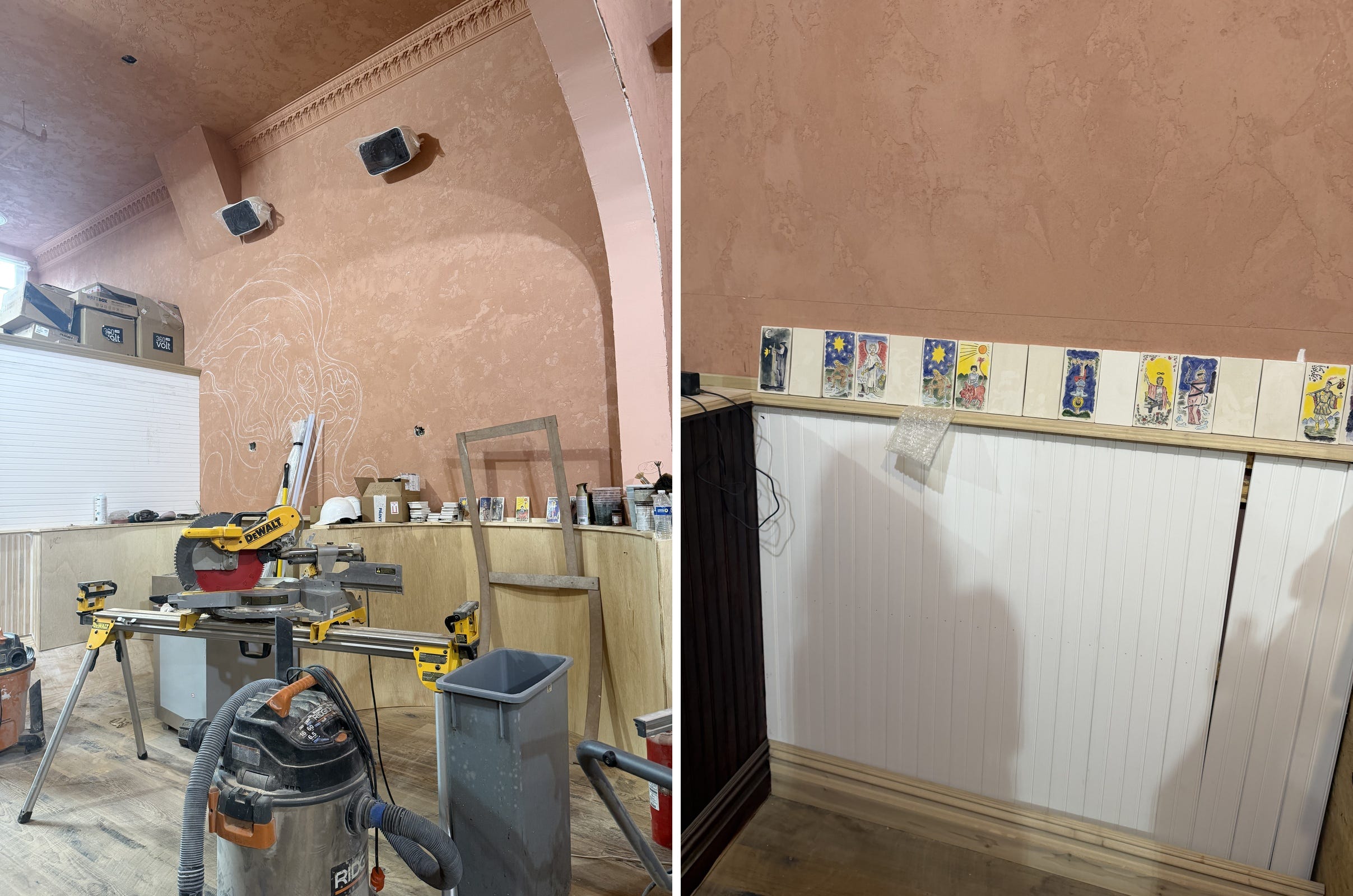
“Whenever I bring someone [into the space], I’m like, ‘Oh, I really hope you can see it next week. I promise it’s going to be better,’” George tells me. Call it modesty, or an awareness of the tsunami of press that has heralded Faux as the next generation of McNally restaurants. It’s only accumulated as the opening has been pushed back several times over the summer. But fashionably late is fitting — the heat has broken, the city is filling up again.
And this Thursday, Faux will open for real.
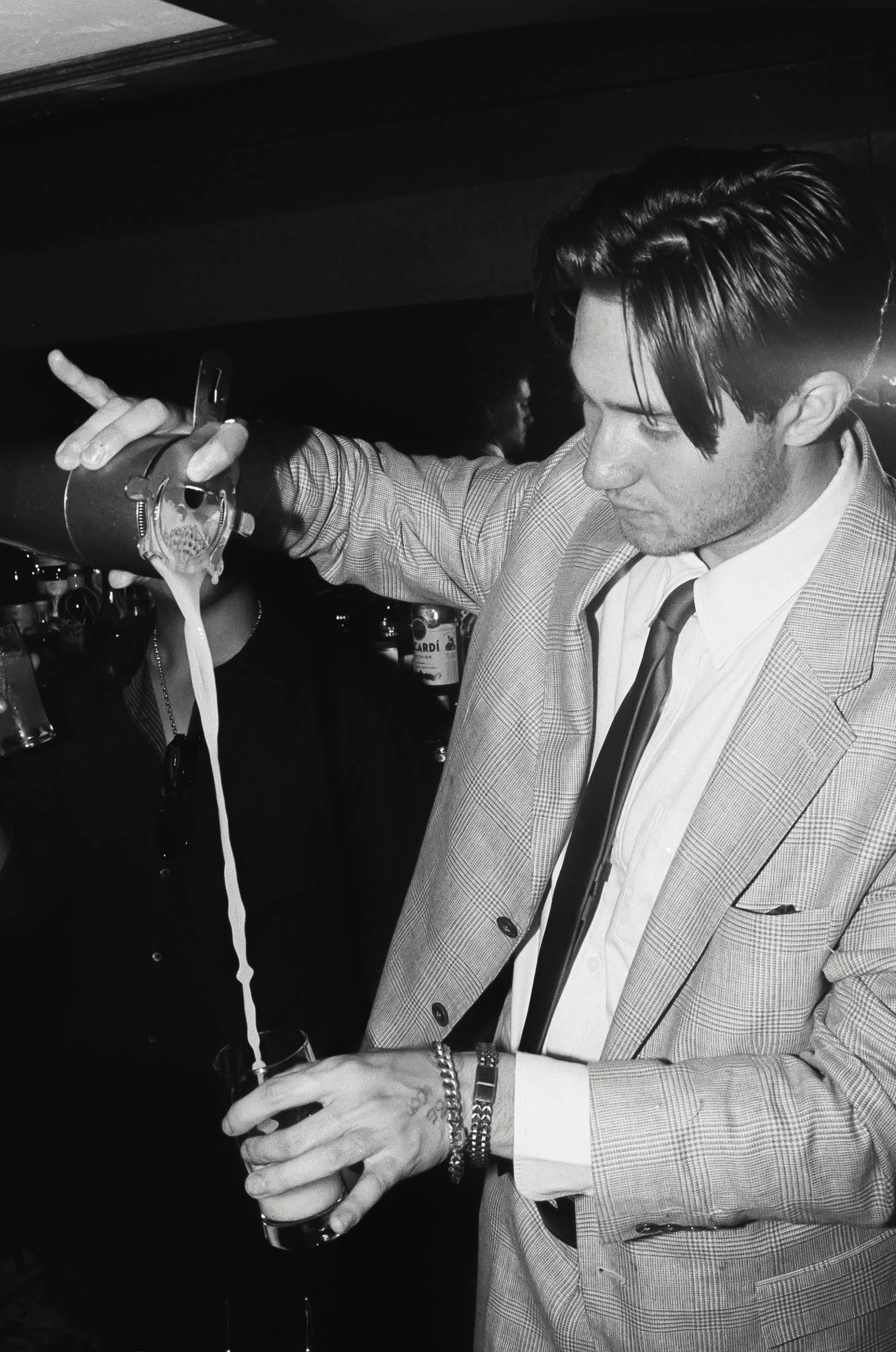
A restaurant may seem like the obvious move. But he is also only 23 — why start so young? “I just thought I could do it. I’m not necessarily that impressed by many places,” George says, no longer so modest. “Maybe it’ll end up being a disaster, and you realize you’re not impressed because you didn’t know how difficult it could be…but you just don’t know until you’ve tried it. Or maybe it will turn out to be something.”
“Or maybe it will turn out to be something.”
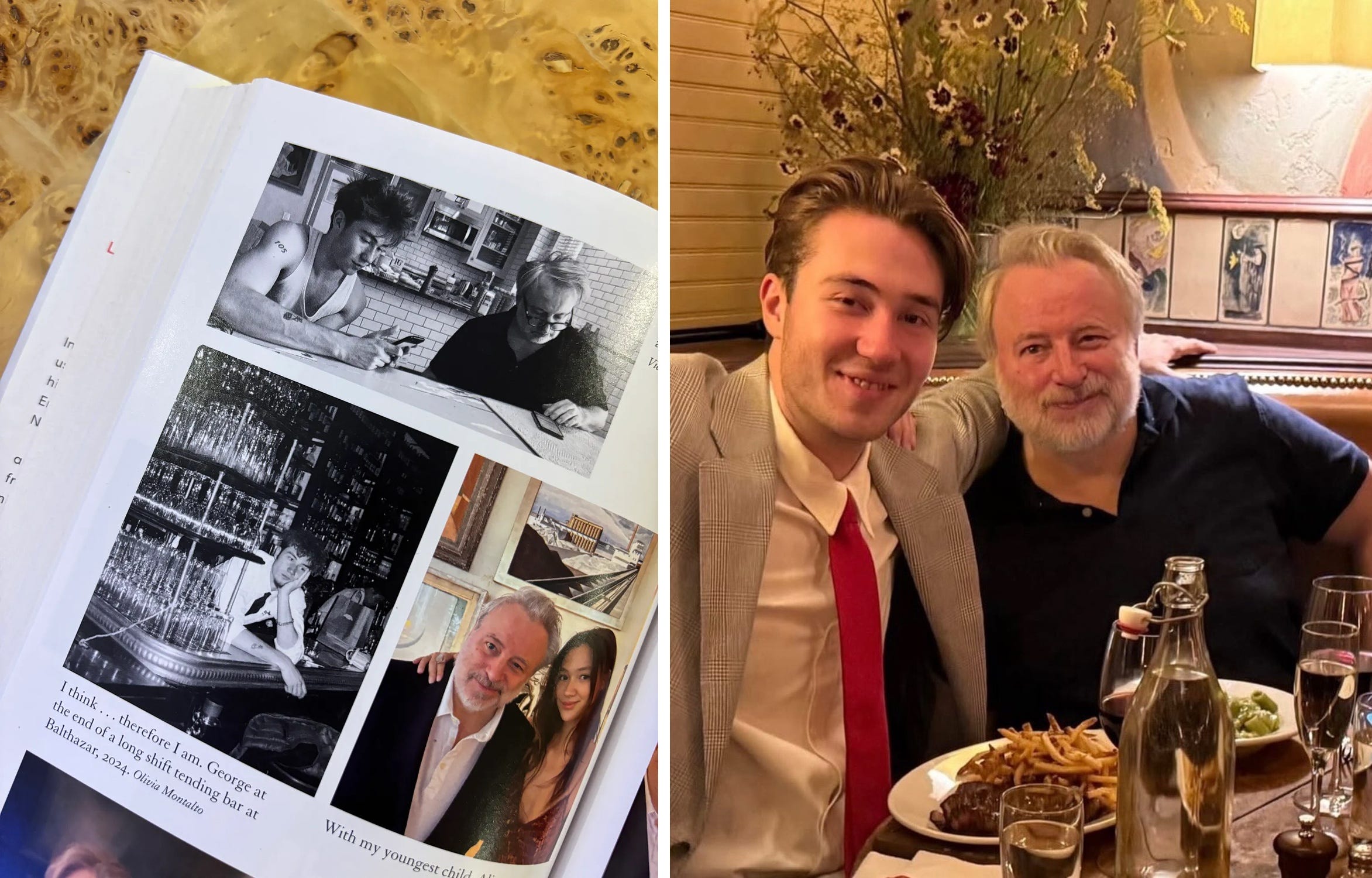
He has the confidence of the very young, possibly brilliant, and undeniably connected. And honestly, maybe that is the energy you need to open a restaurant in the city today. It’s an investor-friendly origin story: George famously grew up playing in the red leather booths at his father’s Manhattan restaurants, moved to London, where he worked at a pub, then returned to the city and eventually worked as a bartender at Balthazar. While Keith has no formal involvement with Faux, the inner circle bringing it to life is a heady mix of New York hospitality legends and a hungry new guard of 20- and 30-somethings.
The design is led by Ian McPheely (who did Pastis and Balthazar), with architecture by Richard Lewis, another longtime McNally collaborator who has in turn brought his son Zach onto the project. The kitchen is led by Ramos, in her first turn as executive chef; she and George met while working on the DC opening of Minetta Tavern. Together, they narrowed the coastal European concept down to Marseille, where Ramos spent time cooking at Michelin-starred Auberge La Fenière. Still, she’s reluctant to assign a label to the food. Changing up the menu is inevitable and exciting to her.
But there will be French classics: crispy panisse with garlic aioli and Espelette. Steak frites with a thin-cut fry, and, of course, a burger (George requested one as an “accessible menu option”) — the brioche bun will be slicked with sauce Algérienne, a beloved kebab condiment made from tomato paste, red pepper, and onion Ramos remembers fondly from post-beach meals on her days off in Marseille.
Beneath Faux will be Prevz, a clubby bar with a tight late-night food program, a separate street entrance staffed by a bouncer, and a completely made-up name.
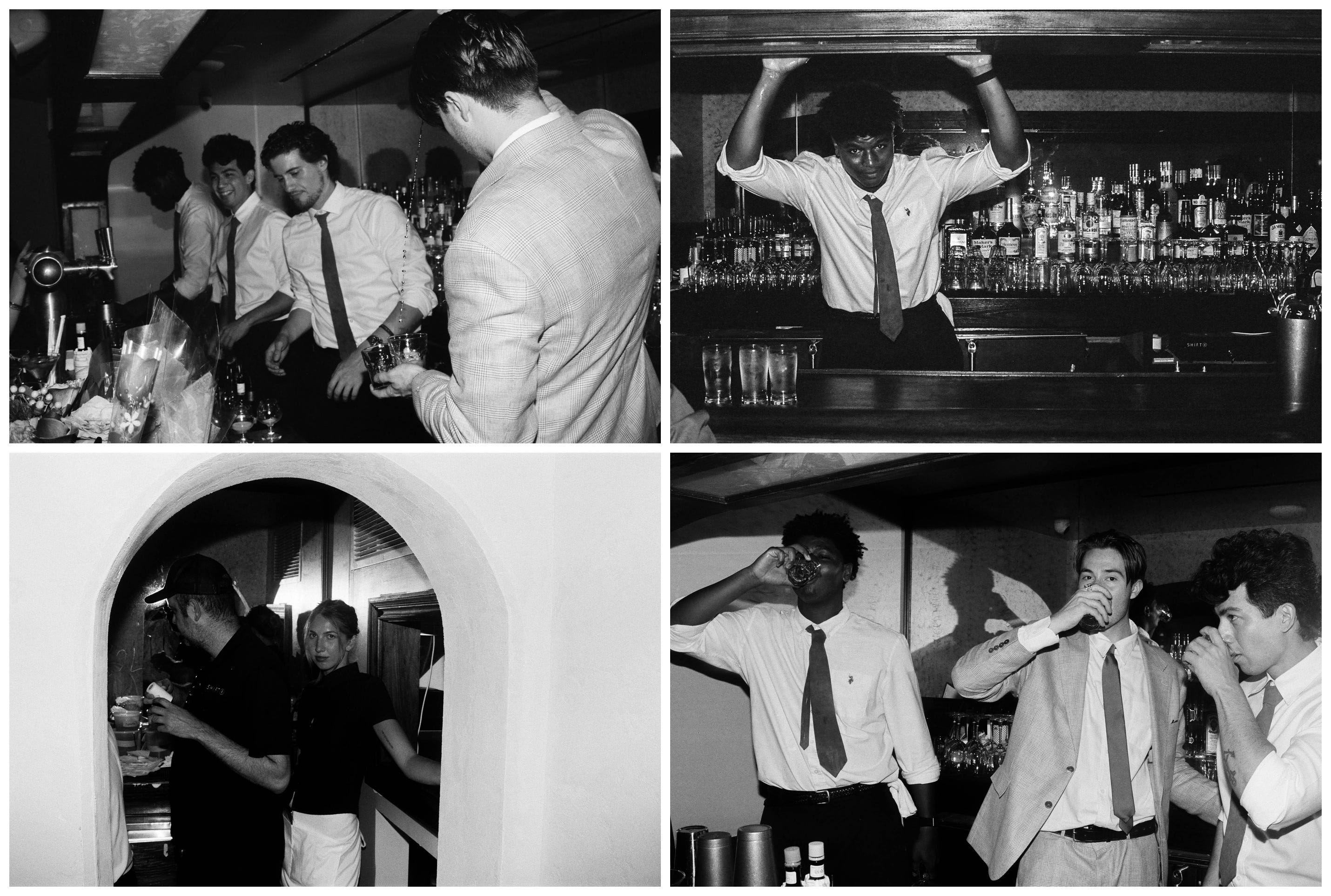
“I feel like all the best drinking spots have an apostrophe S, but I didn’t want it to be someone’s name,” George says. So, he made up a word that sounded similar. He wants Prevz to be a place where people actually dance, refueling with late-night snacks like fries and boozy, unpretentious drinks loosely inspired by “funny cocktail decades” like the ‘80s and ‘00s. I suggest an appletini, and he demurs, before assuring me there will be nothing clarified.
“In 10 years, no one’s going to go to a bar and ask for a cocktail made with fucking syrup,” he says. “The best possible thing to do is serve a drink that can be remade at any bar in any country.”
This desire for timelessness seems to define George’s vision for what makes a great restaurant. “Nothing feels office-like, you know what I mean? Everything feels like it could have been weathered away, bumped into,” he says. I notice the mural is being created with painstaking fresco techniques on walls stripped back to plaster, so it looks more like a relic lost to time. He points to spots he frequents with this feel — Lucien, Waverly Inn, Malatesta Trattoria, Frank (“Lil’ Frankie’s has too many things [happening], design-wise, which is what breaks the illusion. I prefer Frank,” he adds).
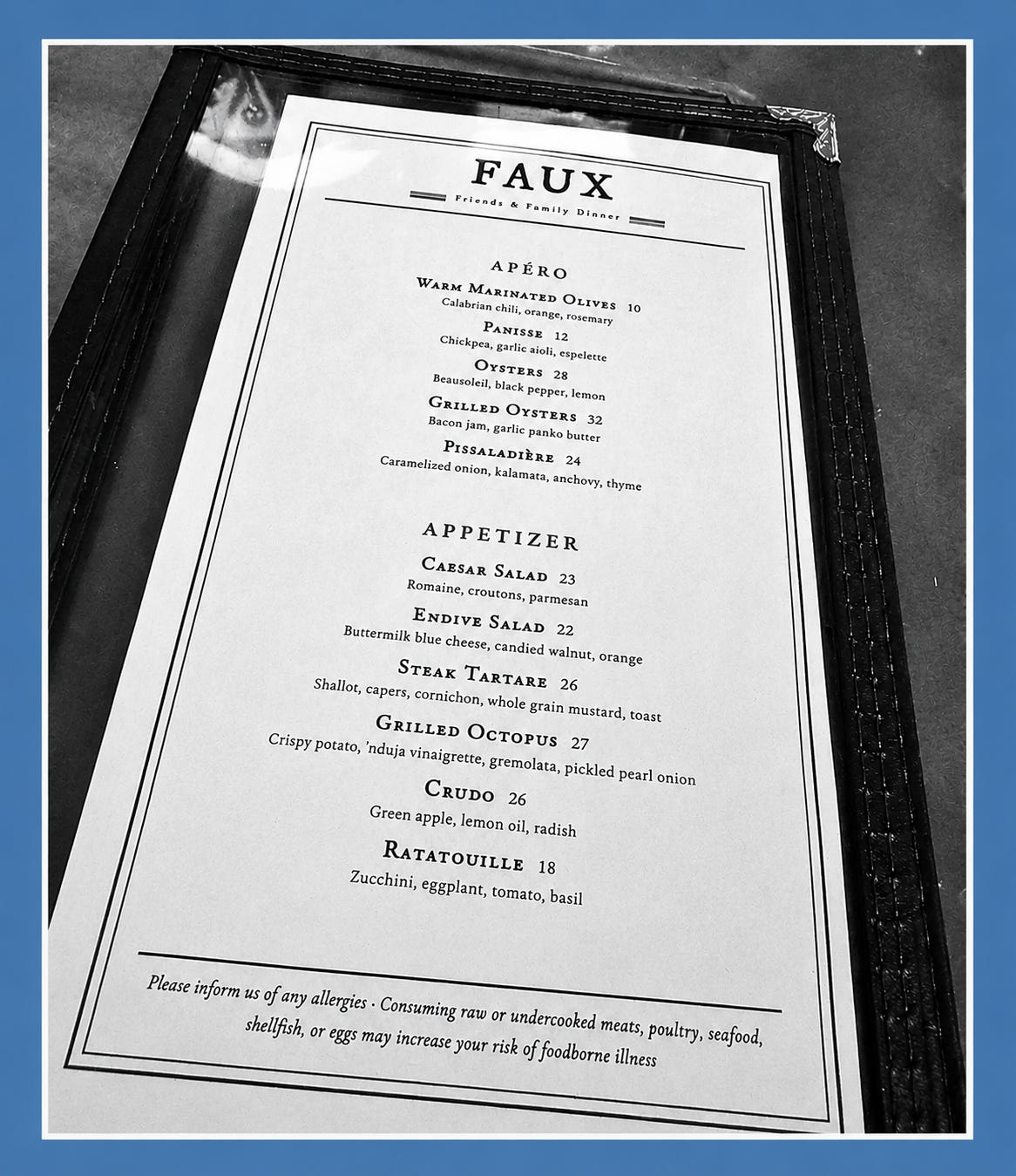
He places specific emphasis on lighting and carpentry — for Faux, he’s bringing in incandescent light bulbs that emit a soft, candle-like glow, and avoiding 90-degree angles in the millwork. “[I always pay attention to] how many corners are cut,” he says. “You can see where [a restaurant] has taken an easier route.”
“I always pay attention to how many corners are cut,” he says. “You can see where a restaurant has taken an easier route.”
Millwork has become something of a fixation among the Faux crew. Ezra Kanarick, Faux’s 20-something head of operations who met George in preschool, is so devoted to the project that he recently tattooed the dining room’s custom crown molding on his right shoulder. “I had to scramble to find [the molding] at the last minute, and it adds so much to the space,” he says proudly, pointing to the divots and whorls that line the ceiling like piped icing. “It’s fake crown molding; it’s Faux.”
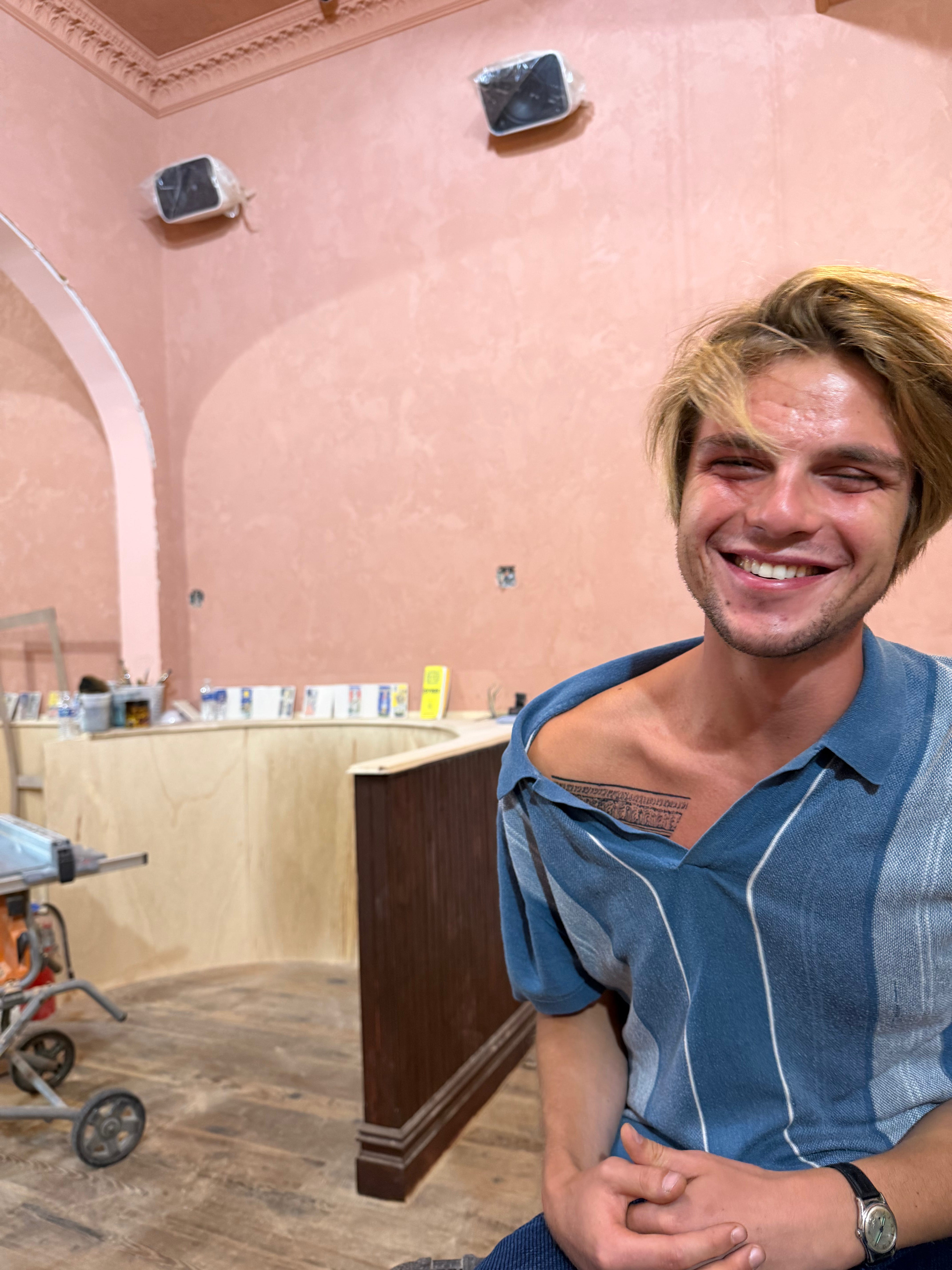
George looks on proudly, albeit perhaps a bit jealous. He’s been so busy with the opening that he hasn’t had time to work on his own growing tattoo collection, and muses aloud about looking for an artist willing to come tattoo in the restaurant. Looking around at the sawdust hanging in the air, I can’t help but think this is a bad idea, and feel impossibly old.
But then again, a new era has begun.
If you click on or buy anything throughout this newsletter, we might earn a small commission at no cost to you.
Practical Magic

Hi everyone. First, ICYMI: We ran a special Saturday send ⬇️ inspired by this Eater piece on restaurants leaning into handmade details. As much as we love going out/the restaurant world, we’re also all about finding ways to make eating at home feel more special
When Dinner Goes Analog

A few weeks ago, Eater published a piece on restaurants leaning into handmade details. Writer Bettina Makalintal touched on the way something as small as a handwritten menu or embroidered napkin can read like an act of rebellion in the age of AI — how, in the


Wonderful writing....excited for this one.