

Growing Up La Grenouille
Flavia Masson on flower market Mondays, pink lighting, and the magic her family served New Yorkers for 62 years.

Editors’ Note: One thing we’re eager to do more of here at On The House is honor the New York City restaurants — ie: bona fide institutions — that have indelibly shaped how and why we dine out today. This week, Flavia Masson shares the story of growing up inside the walls of her family’s restaurant, La Grenouille, which closed in 2024 after 62 outrageous years in business. Flavia is a screenwriter, the author of FLAVOLOSA here on Substack, and the granddaughter of Charles and Gisèle Masson, who opened the iconic French landmark on East 52nd Street in 1962. But first…some very good stuff to start us off:
Newsy Things This Week:
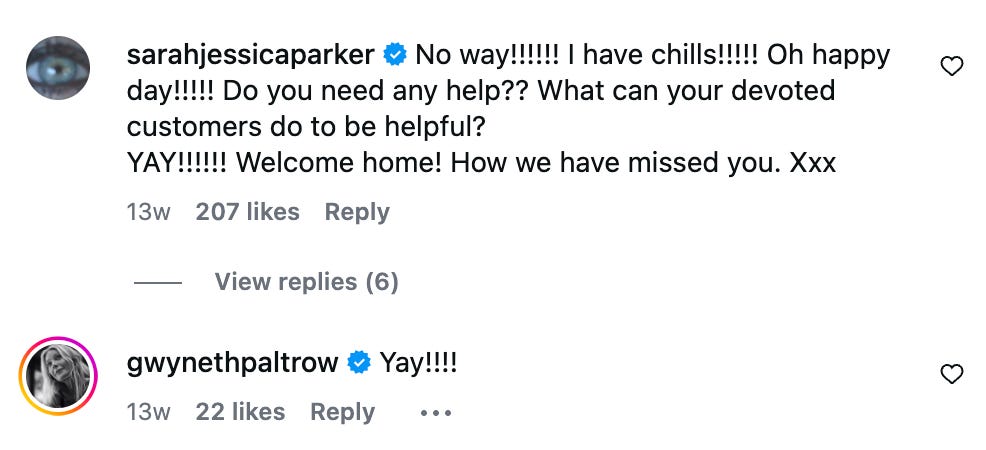
The grand re-opening — Fitting for the theme of this week’s dispatch, longtime West Village eatery Mary’s Fish Camp, which closed in 2024, announced it reopened on July 31 at 626 Hudson Street. Everyone — and we mean everyone ⬇️ — is delighted by the news, ie: tables are going fast.
The restaurant business has changed beyond recognition — Perhaps the most staggering insight from this article from The Economist is that nearly three out of four restaurant meals in America were eaten off-site in 2025. While there’s no shame in takeout, we are firm believers that nothing compares to sharing a wonderful meal (and evening) with 120 other diners you don’t know. It’s its own kind of theater, and we love it.
A clever tip for getting wine home from Europe during summer travels:
New York’s best place to sleep (or not sleep) — Hotels in the city are a curious thing since so many of us rarely get a chance to stay at them. As big fans of The Portrait Bar, we weren’t surprised to see The Fifth Avenue Hotel was voted the best in NYC for the second year in a row by Travel + Leisure readers. Now we feel like we need to do our own OTH ranking of top hotels for when our friends come to visit.
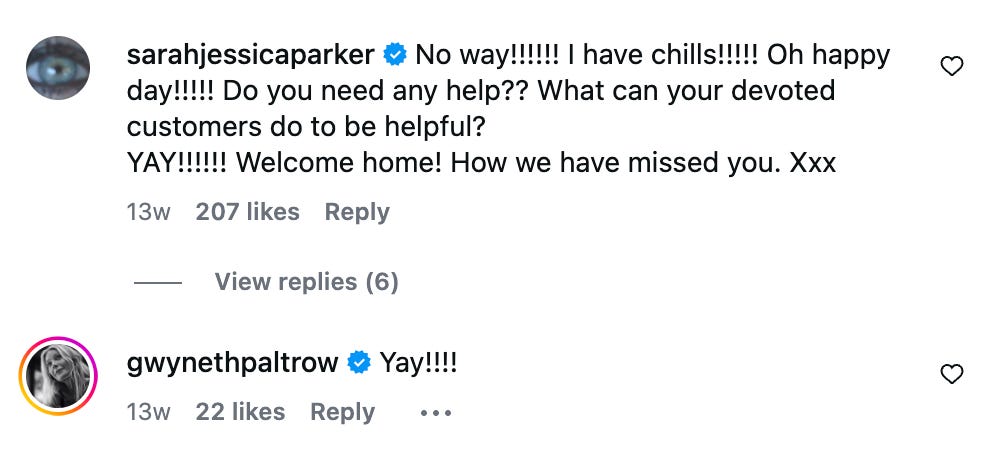
Less food/more feeling — From Feed Me: Michael’s in Midtown feels stuck in 1989. Thank god. (We agree!) With the same-ification of NYC restaurants, critic J Lee offers a refreshing reminder that places exist that are less about the food and more about the feeling. Some other old-school spots our team still loves: the Russian Tea Room, Grand Central Oyster Bar, the Ear Inn, Pete’s Tavern (hard to beat a martini + nachos pairing), and the Tiffany blue chair’ed dining room at the National Arts Club, which Christene did a tour of last week for her newsletter A Tiny Apartment.
What We’re Buying This Week:
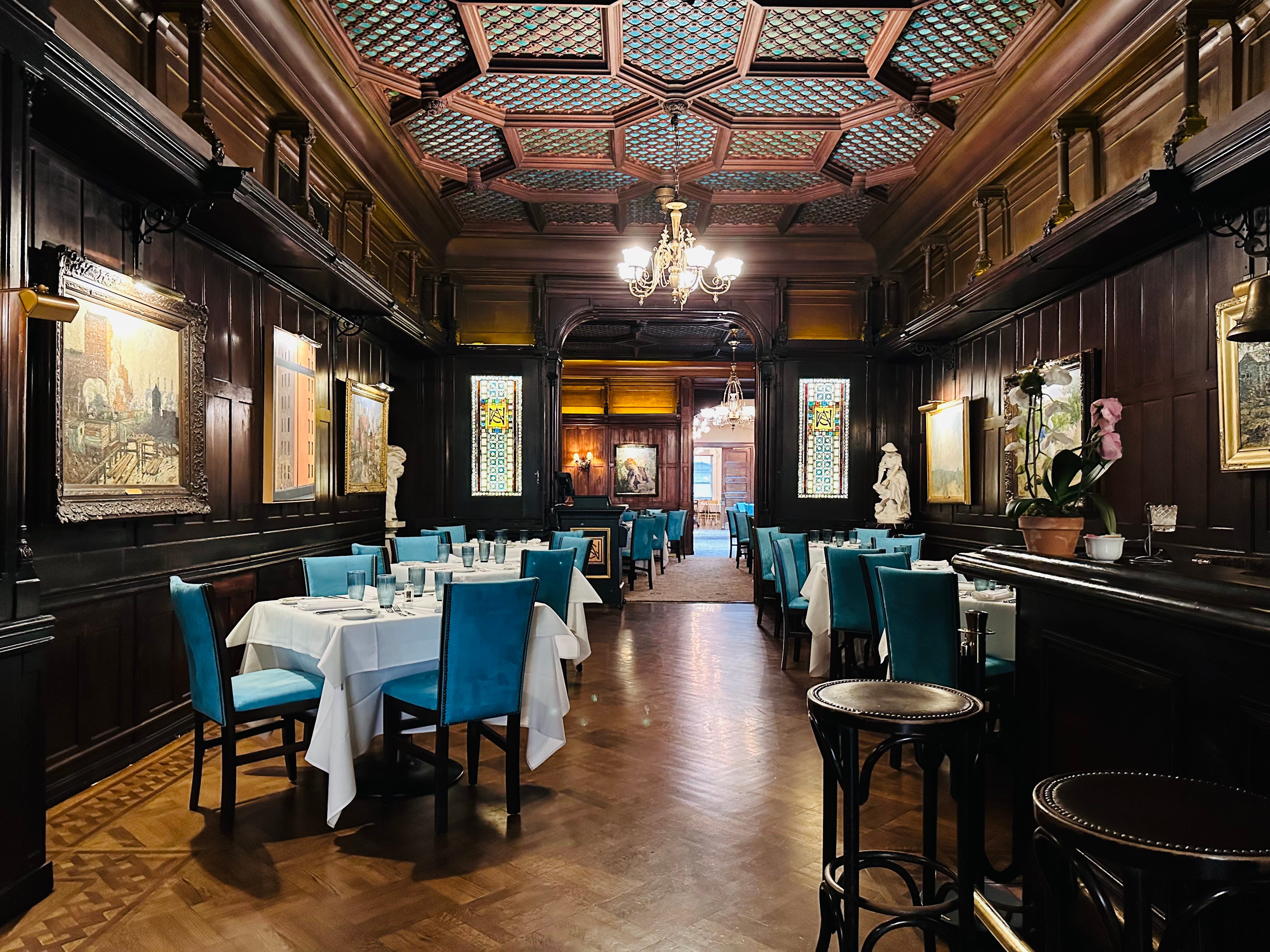
1. Laila Gohar partnered with ROCCO on a limited-edition “Mirror Black” drinks fridge that feels very Studio 54. Bonus: It comes with a complimentary pair of Gohar World champagne coupes ($128).
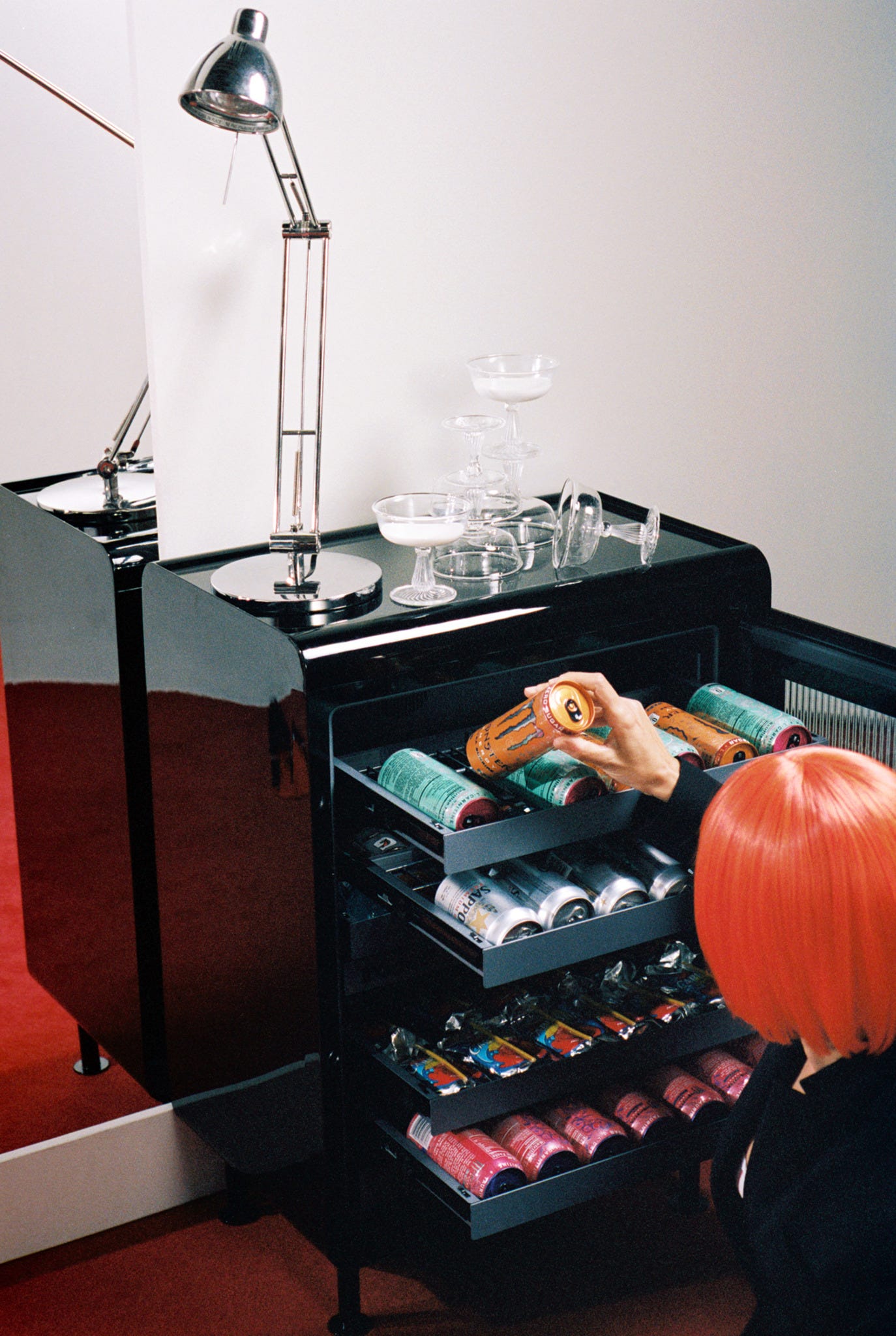
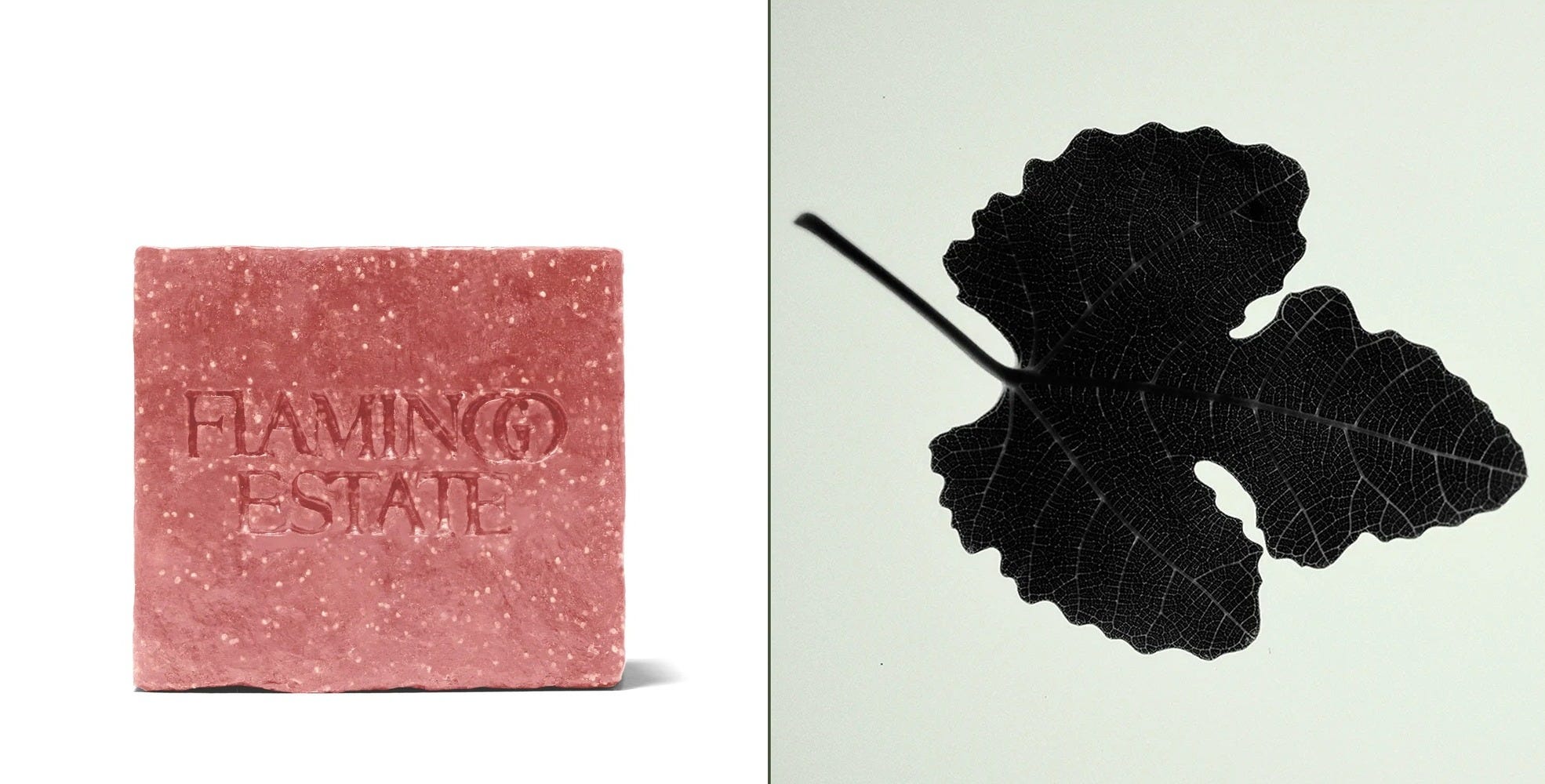
2. This exfoliating soap brick from Flamingo Estate’s new Fig line. Smells like a vacation, smooths like the sea.
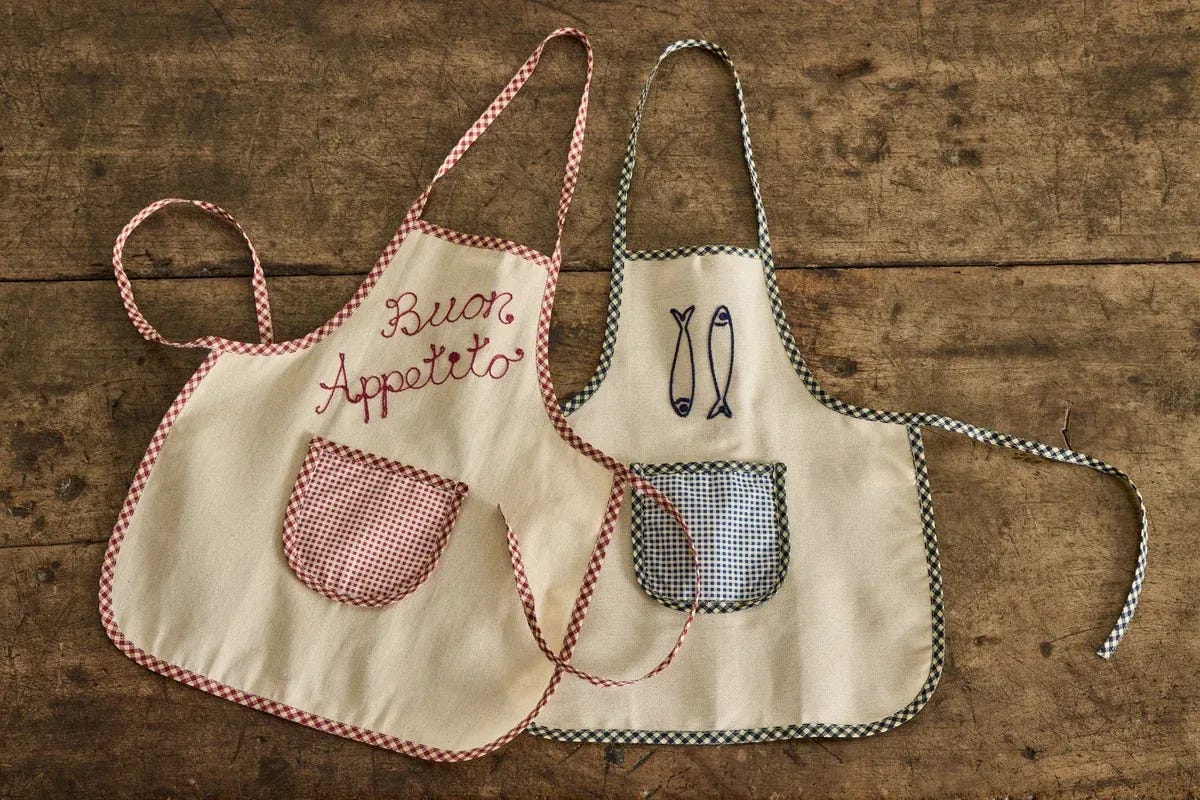
3. These embroidered children’s aprons (handmade! in Italy!) are too sweet. We think the smallest chef in your life deserves a custom one.
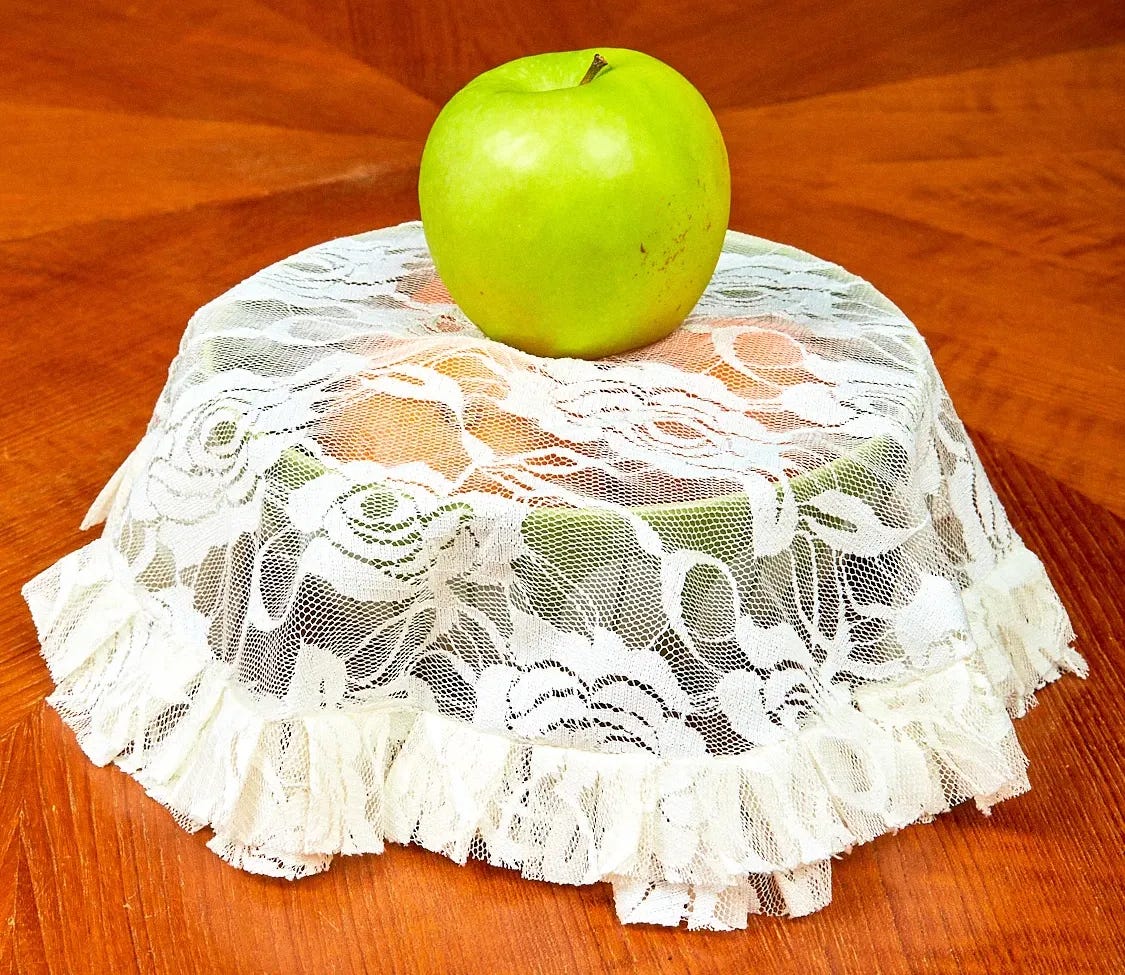
4. To be fair, this is a pretty easy DIY project, but how cool are these water jug/fruit bowl covers for outdoor hosting? We were inspired to track down some for ourselves after seeing this prototype by Sandra Alexandra.
5. John has been looking for new espresso cups, and he’s into these from Alessi’s collab with C.P. Company.
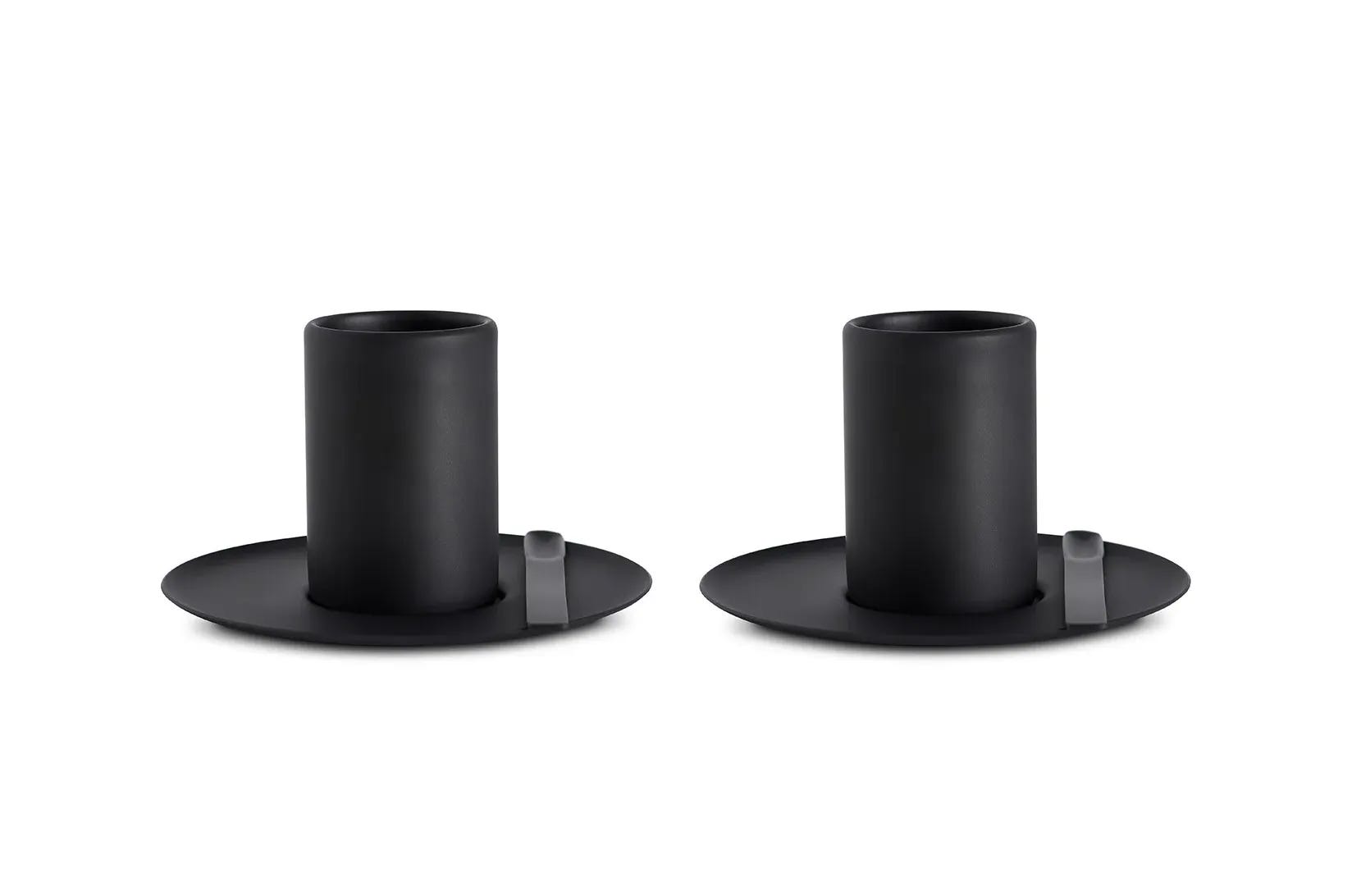
But (and just because we’re curious), are black coffee cups weird?
Until next week! — Team OTH
There are army brats, foreign service kids, and sons of preachers. I am a restaurant daughter.
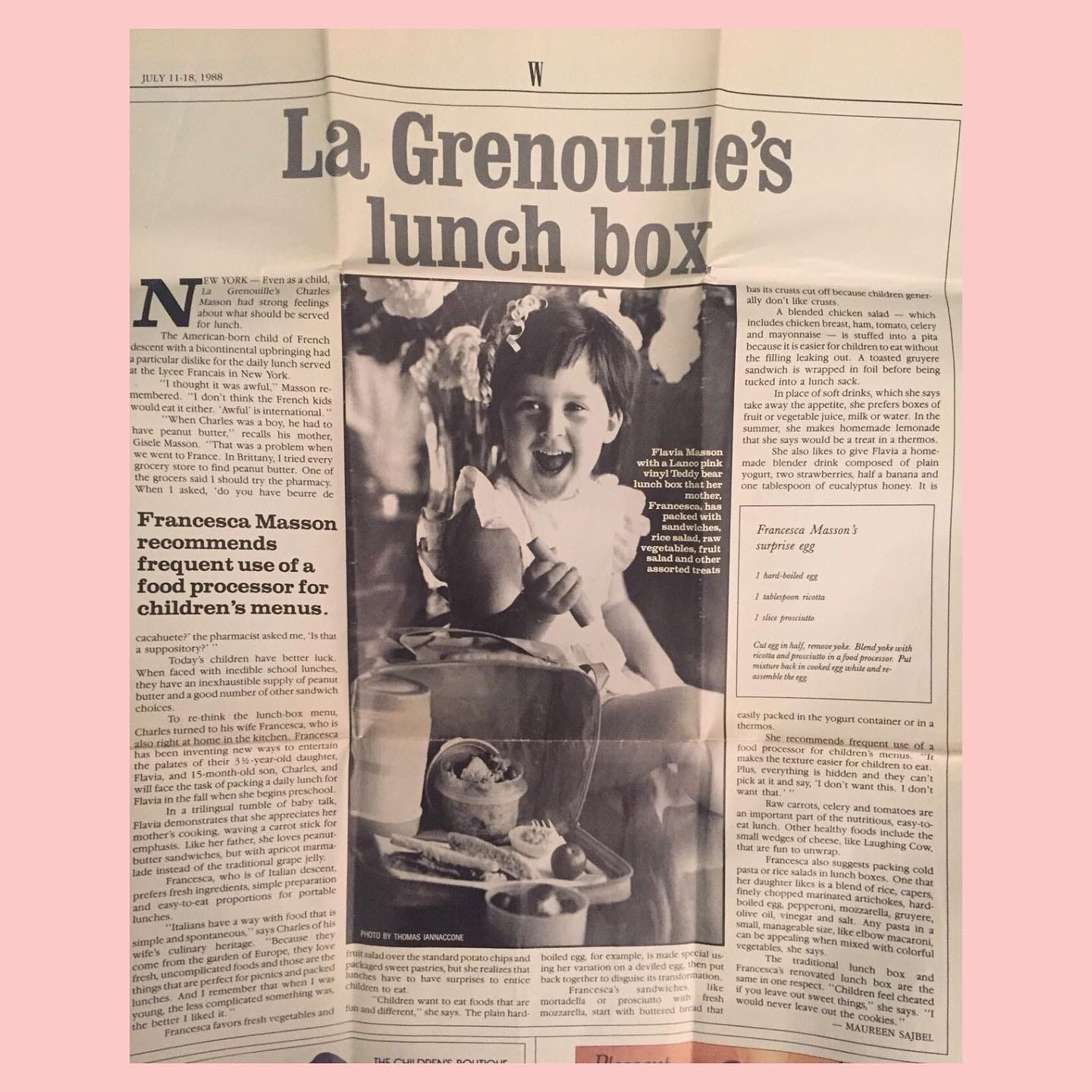
Growing up, I wasn’t particularly conscious of being a restaurant daughter. I accepted this designation as perfectly natural.
I also knew it was special.
That’s because my family’s restaurant wasn’t just any restaurant. It was La Grenouille. A world unto itself; a place where beauty was the main event, cultivated with extraordinary care.
“[La Grenouille] was a world unto itself; a place where beauty was the main event, cultivated with extraordinary care.”
You did not just enter La Grenouille. You arrived.
First came the coat check. Then the ruby-red velvet curtain suspended from its brass rod. Pulling it aside always felt like stepping backstage and onstage simultaneously. Beyond it, the room revealed itself in one graceful breath: candlelight, polished silver, impeccably dressed patrons, soft conversation, and flowers. Flowers everywhere! Before you stepped into the dining room, the perfume of lilies and roses had already greeted you.
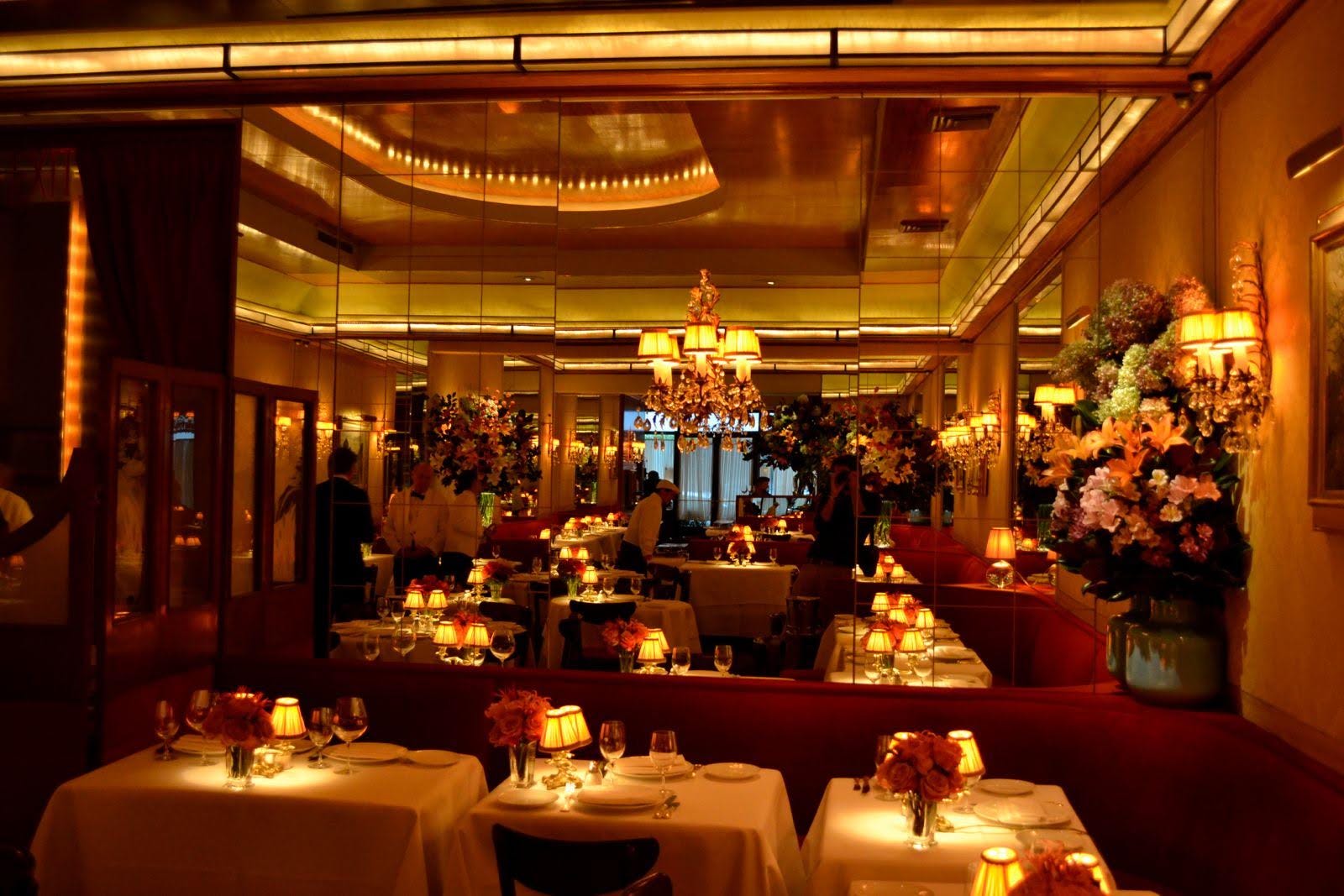
The most beautiful places are true reflections of an intense inner life: They reveal the values, memories, affections, and imagination of the people who create them. La Grenouille was my family. Its name came from my grandfather’s nickname for my grandmother: “ma petite grenouille”; in my late teens, I inherited my own version, being referred to as the “frog princess” well into my 20s. The tiny pleated lampshades, which are fashionable once again, were originally sewn by my great-grandmother; they were pale salmon with a green and pink imperial gimp trim, made from a box-pleated silk. (I still have an original from 1962 that I cherish far beyond what is reasonable.) Each lamp was famously fitted with a pink lightbulb — there’s a great story about hunting down the right shade here — which cast a flattering glow that became one of the restaurant’s signatures.


The restaurant’s original lampshades, left, and pink silk faille table lamp shades by House & Parties, inspired by La Grenouille, right.
The flowers, too, were never a branding exercise. They were simply who we were. My father would sometimes take my brother and me to the flower market very early in the morning. Monday was flower day at La Grenouille, and creating the bouquets was almost a sacred ritual for him. Every detail mattered because every detail contributed to the enchantment.
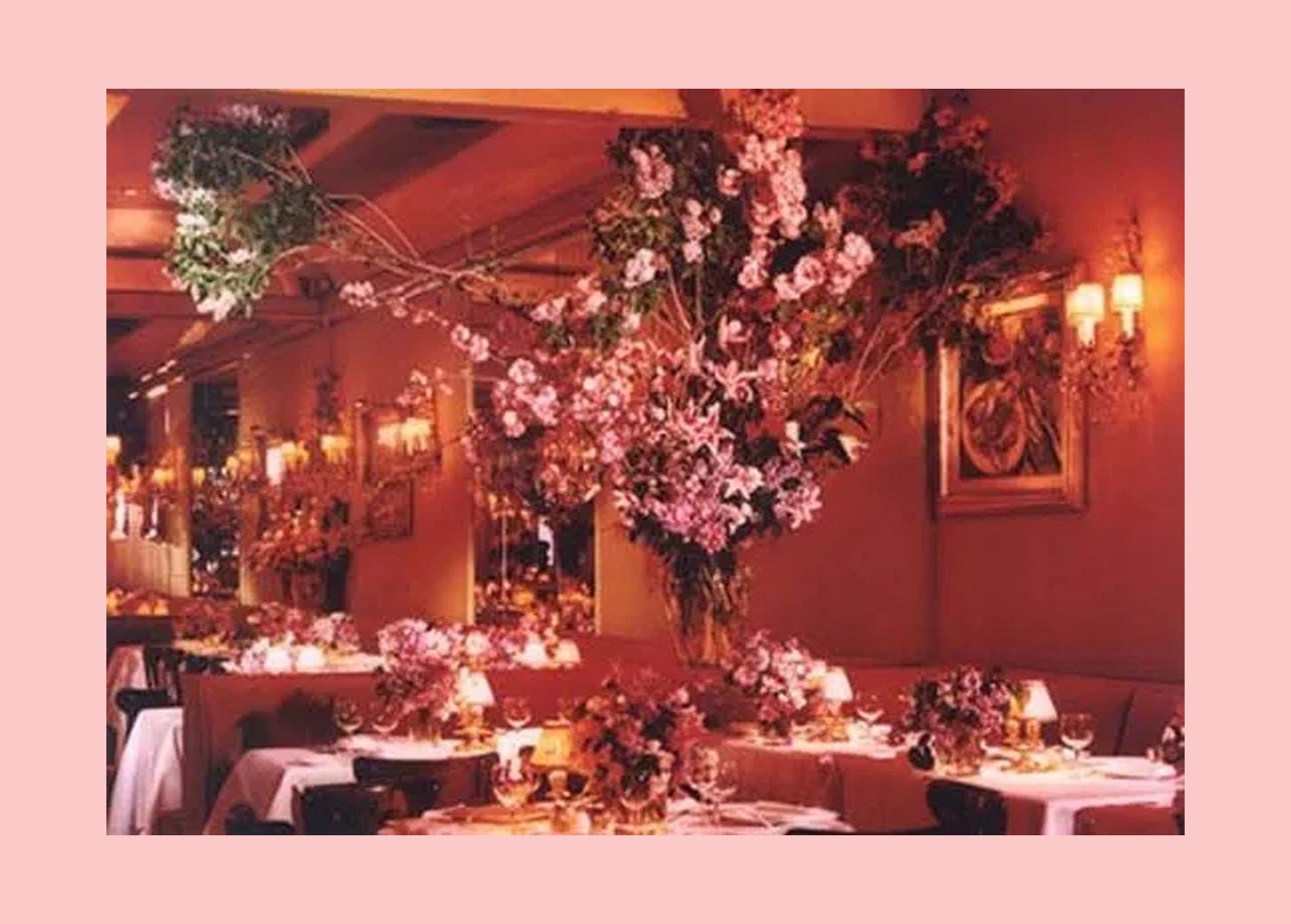
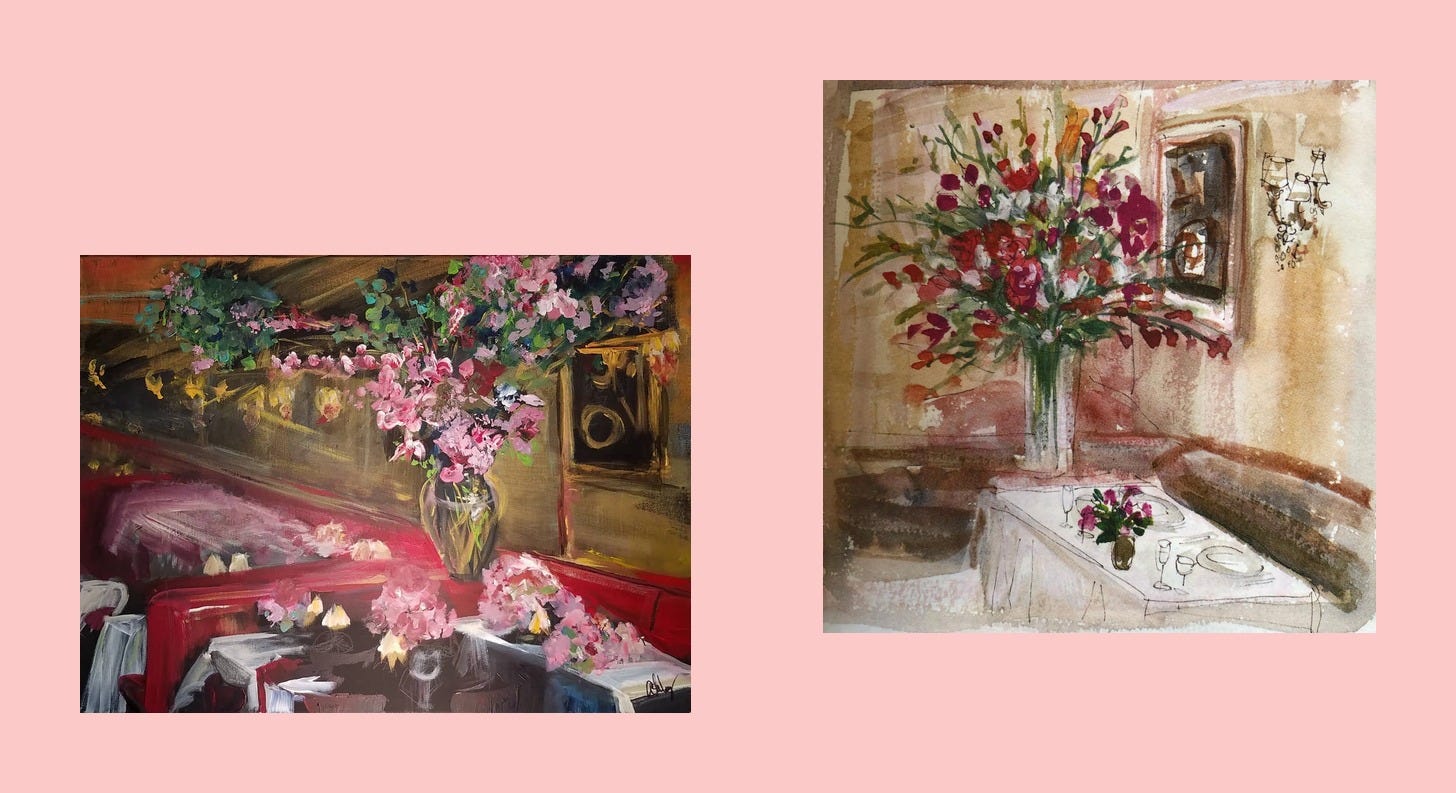
“The tiny pleated lampshades, which are fashionable once again, were originally sewn by my great-grandmother; they were pale salmon with a green and pink imperial gimp trim, made from a box-pleated silk, and famously fitted with pink lightbulbs.”
The kitchen was always my favorite place to visit, especially the pastry station. Watching the extraordinary things that could be created from sugar felt like witnessing magic — the most delicious kind of secret. I later realized restaurants were my first theater experience. There is a cast, a backstage, precise timing, invisible problem-solving, and, if all goes well, the audience never notices the immense work that made it all appear effortless. Where guests aren’t just served dinner, they are welcomed into another world.
When I was a child, the waiters would refill empty champagne bottles with ginger ale and grenadine, then pour it into a flute for me with complete solemnity, as though they were serving a Kir Royale. No one ever spoiled the illusion. It would be years before I realized I had been one of Manhattan’s youngest Shirley Temple connoisseurs. It showed me that true hospitality always exudes a touch of illusion: the smallest gesture, carried out with complete conviction, could transform an ordinary moment into something unforgettable. And make a little girl feel like she belonged.
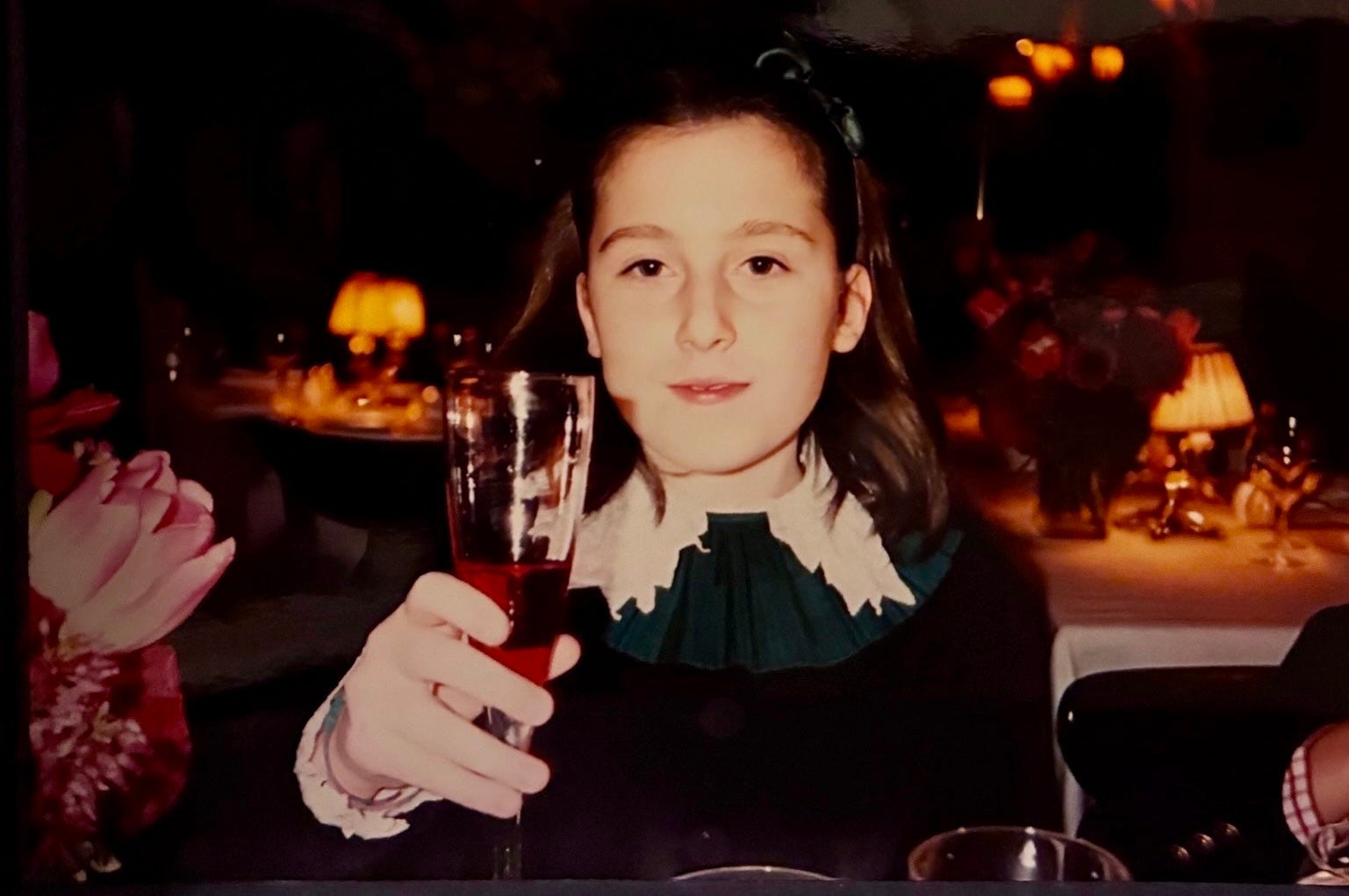
“It would be years before I realized I had been one of Manhattan’s youngest Shirley Temple connoisseurs.”
Early on, I learned the restaurant had its own currency — and how to spend it. I was a terrible math student, and my very strict, very French teacher had little patience with me. However, I discovered a box of petits fours from La Grenouille softened her considerably. Once I understood their diplomatic value, I brought them to school as often as I could to avoid her wrath.
Something else La Grenouille taught me is that making people feel welcomed, valued, and completely delighted is hospitality. And beauty is never separate from that idea. Beautiful spaces don’t emerge from trends or concepts. They emerge from the people who feel at home there.
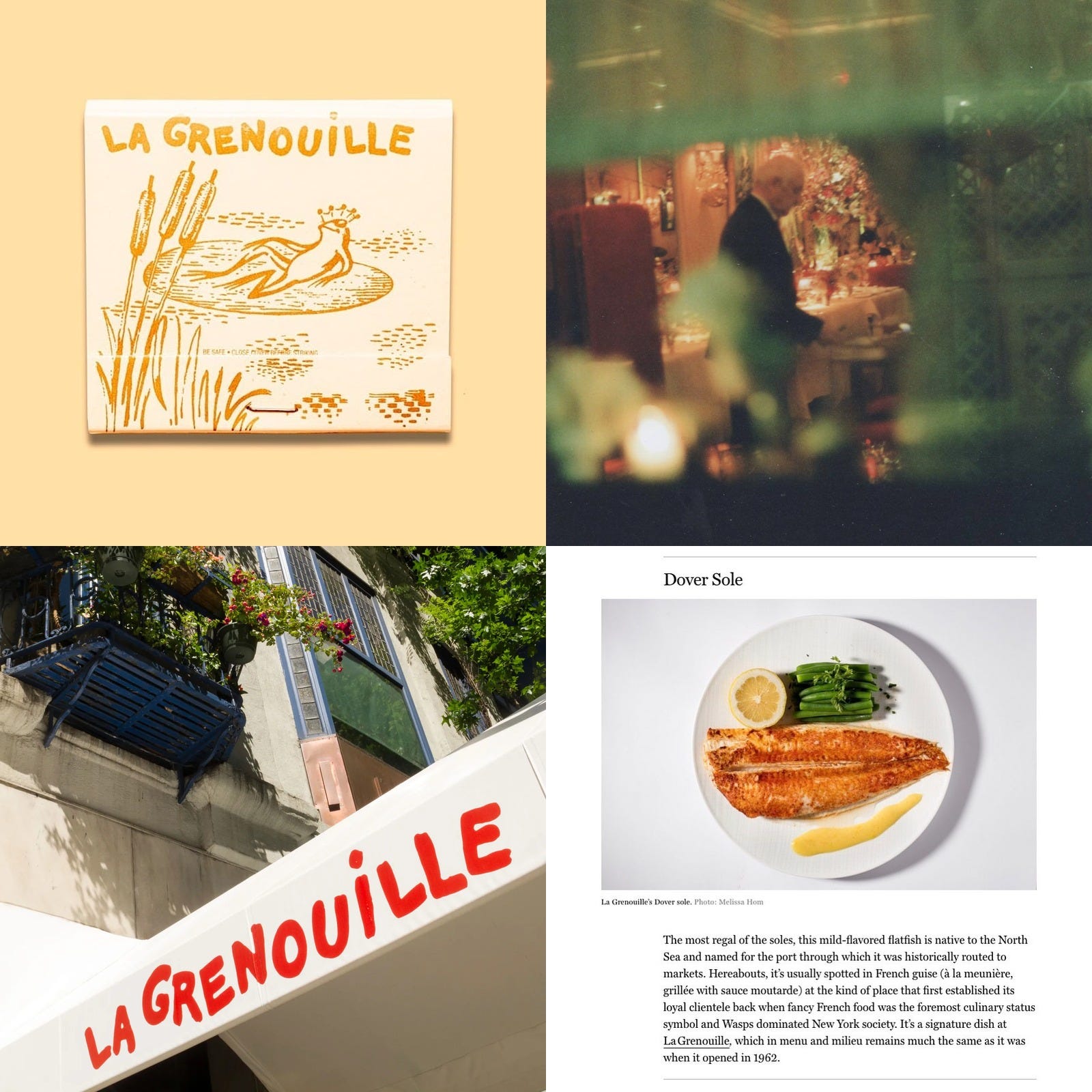
Today, I know whether I will like a restaurant before I’ve even taken my first bite. Before I’ve looked at the menu, I’ve already registered the lighting, the acoustics, the décor, the pace of the service, and the mood of the room. I feel a place before I engage with it. Being a restaurant daughter has taught me that the dining experience begins well before the first course arrives.
Atmosphere isn’t accidental — it is composed. Beauty provokes an encounter between ourselves and the world around us. It invites us to slow down, to notice, to savor our impressions. It grows naturally from authenticity. It asks us to be present. Perhaps that’s why so many restaurants today are rediscovering ornate flowers, candlelight, old-world service, and the rituals of fine dining. What people long for now isn’t nostalgia. It’s artistry.
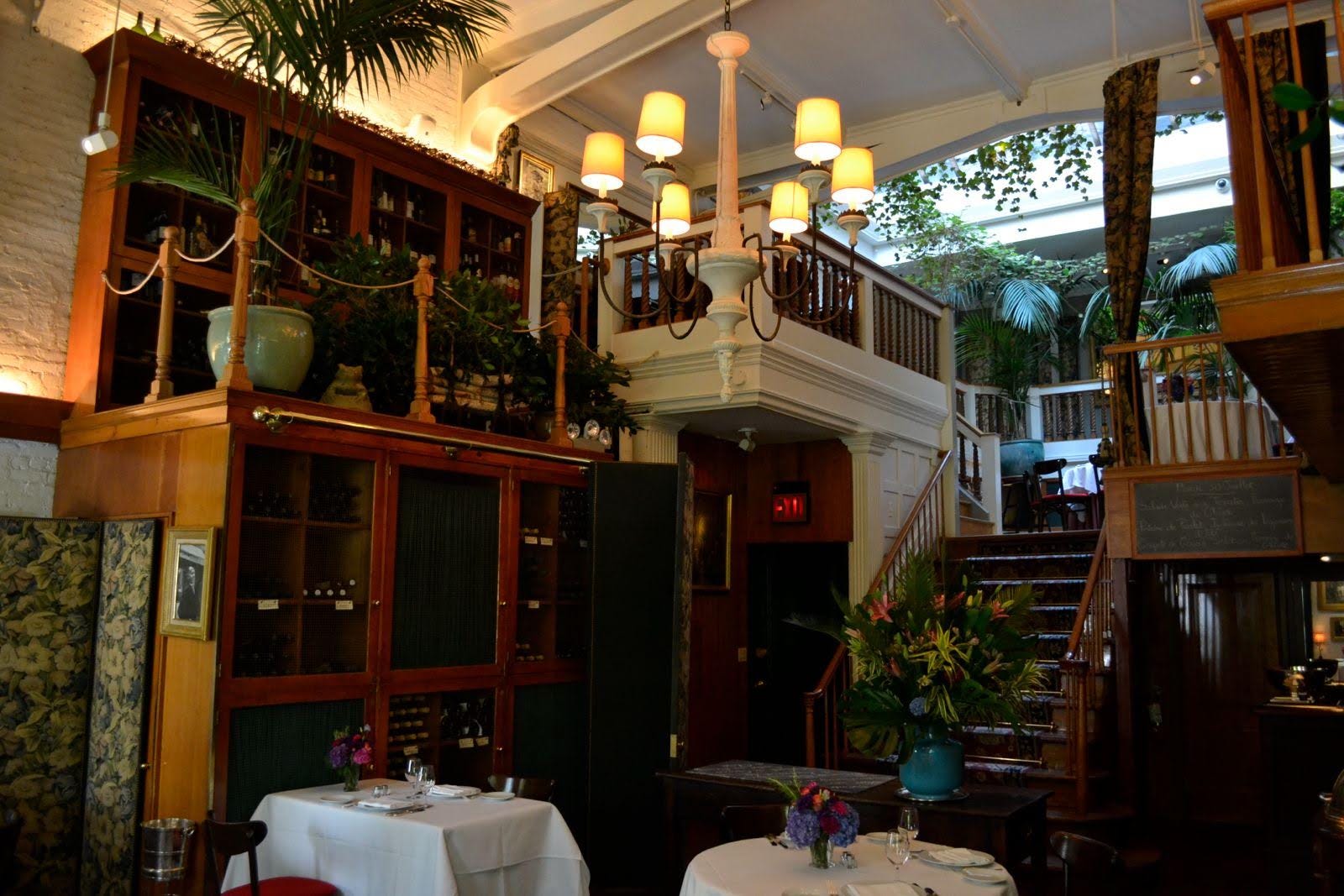
When my brother and I were little, we would play hide-and-seek in the upstairs private dining rooms, which were filled with little nooks and crannies. Years later, when I worked in fashion, I would return after long days at the office, sit alone at the bar, have dinner, and take in the live theater of the diners around me — the same room I had once disappeared into as a child, revealing itself to me from an entirely different vantage point. The same room I believe my love of storytelling began. Where I would witness people creating intimate spaces through lighting, sound, flowers, furniture, fashion…all part of the choreography of creating an unforgettable experience, if only for a night.
People often ask me what growing up at La Grenouille was like. The short answer is that being raised in a restaurant leaves its mark. It taught me not just how to cultivate beauty, but to understand why it’s essential. Not only as frivolity or some form of indulgence, but as a way of deeply caring for others.
When you grow up in a restaurant like La Grenouille, you begin to see beauty everywhere.
And miss it terribly when it’s gone.
 | A guest post by
|
Thanks for the walk in town.
Oh how I mourn the loss of La Grenouille and always will—I hope you ate your fill of frog legs, I did not