Hi, OTH friends. Recently, I asked John if he’d ever written down some of the most notable/memorable/interesting things he’s learned since opening his first place back in 1993. He answered matter-of-factly, “No.” I used to be John’s editor at CITY magazine in the late 1990s/early aughts, and now, as his editor-at-large here, I decided this Q+A with John was overdue, especially given how hard-won opening a lasting spot has become here in NYC. Before we jump in…
Newsy Things This Week:
Justice for the dinner party! The Atlantic reports the number of adults who regularly have friends over has declined dramatically since 1975.
Legendary LA eatery Jon + Vinny’s is popping up at Babbo October 21 + 22, and there are still some lunch reservations (and one late-night dinner slot) available.
The Group Hospitality (the team behind Boucherie + Olio e Più) has purchased the West Village building that Sushisamba (RIP) once occupied.
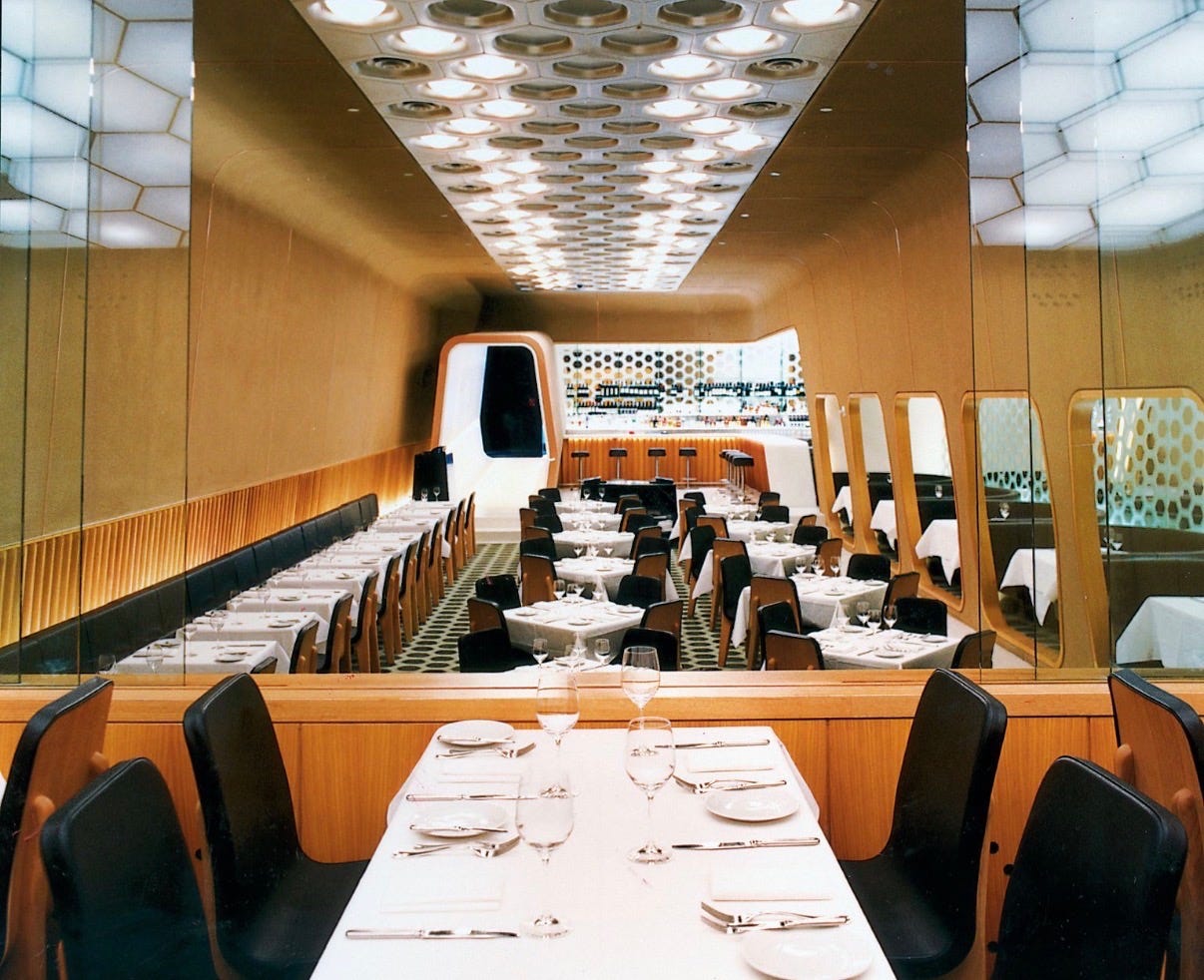
La Boca by Francis Mallmann at the Faena earned the top spot for best use of lighting at the 2026 Restaurant & Bar Design Awards.
What We’re Buying This Week:
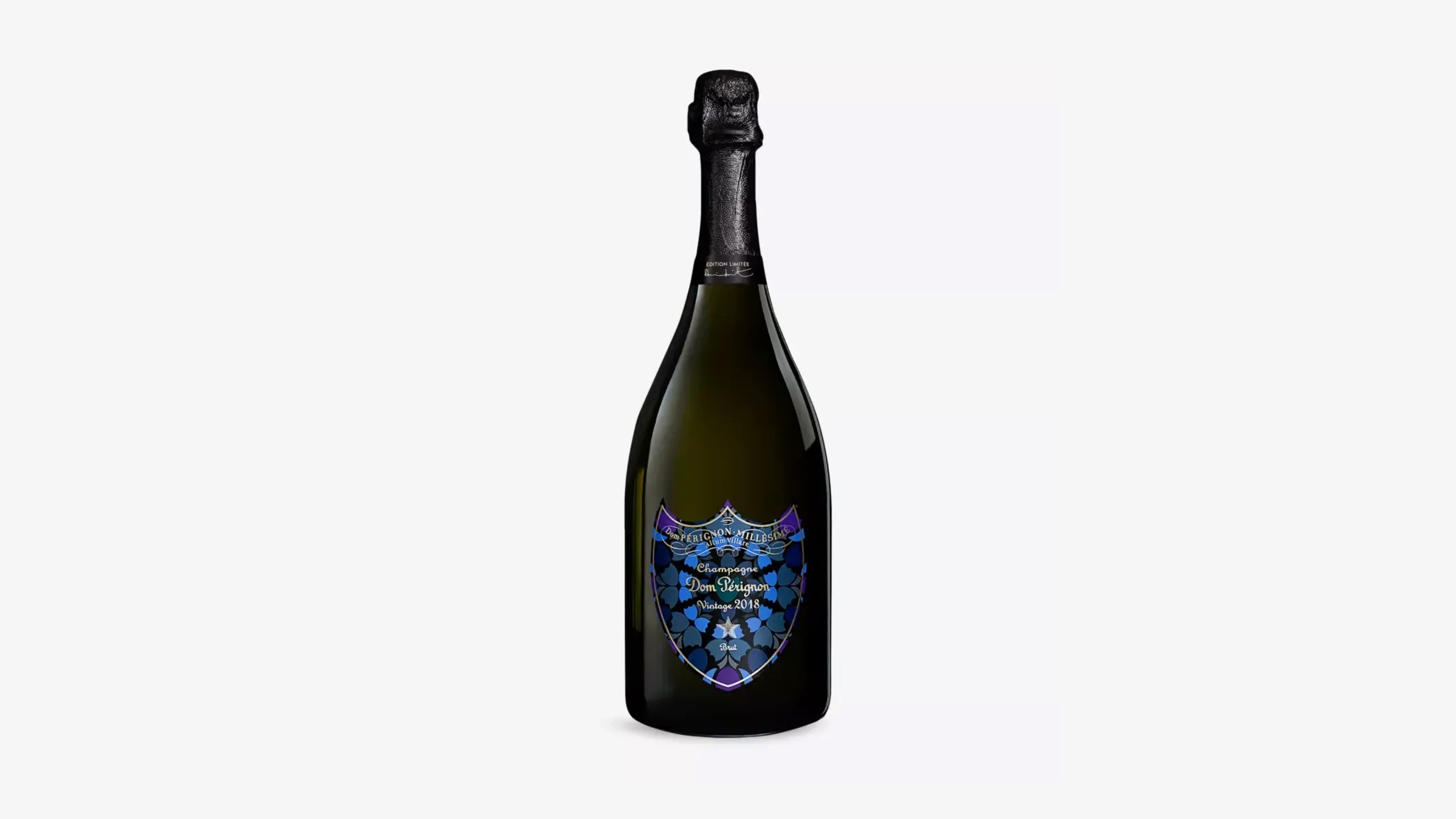
1. Dom Pérignon x Damien Hirst introduced two limited-edition bottles — a Vintage 2018 and Rosé 2010 — with kaleidoscopic artwork labels.
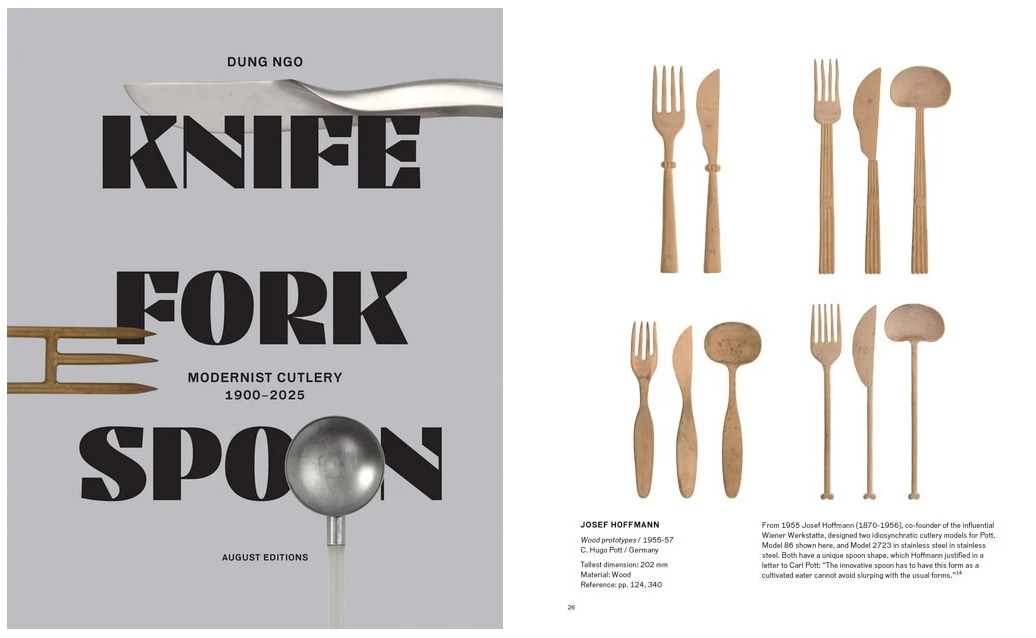
2. Knife Fork Spoon: Modernist Cutlery 1900-2025 traces the history of iconic flatware by designers including Gio Ponti, Josef Hoffmann, and Carlo Scarpa.
3. D.S. & Durga’s new Ain’t That Sweet eau de parfum, AKA “a gourmand for people who don't wear gourmands.”(+ a playlist)
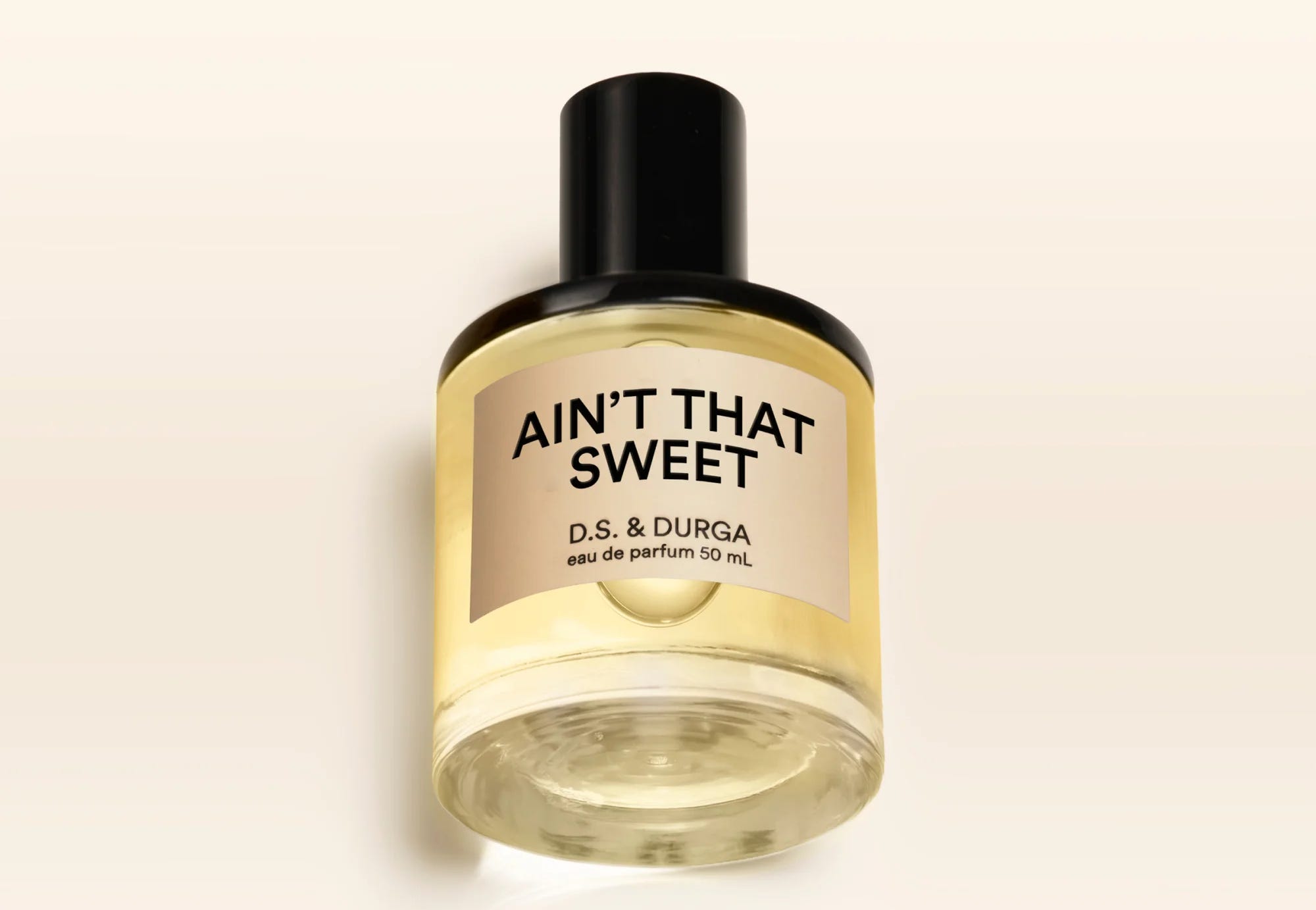
The scent comes with its own soundtrack, too ↓.
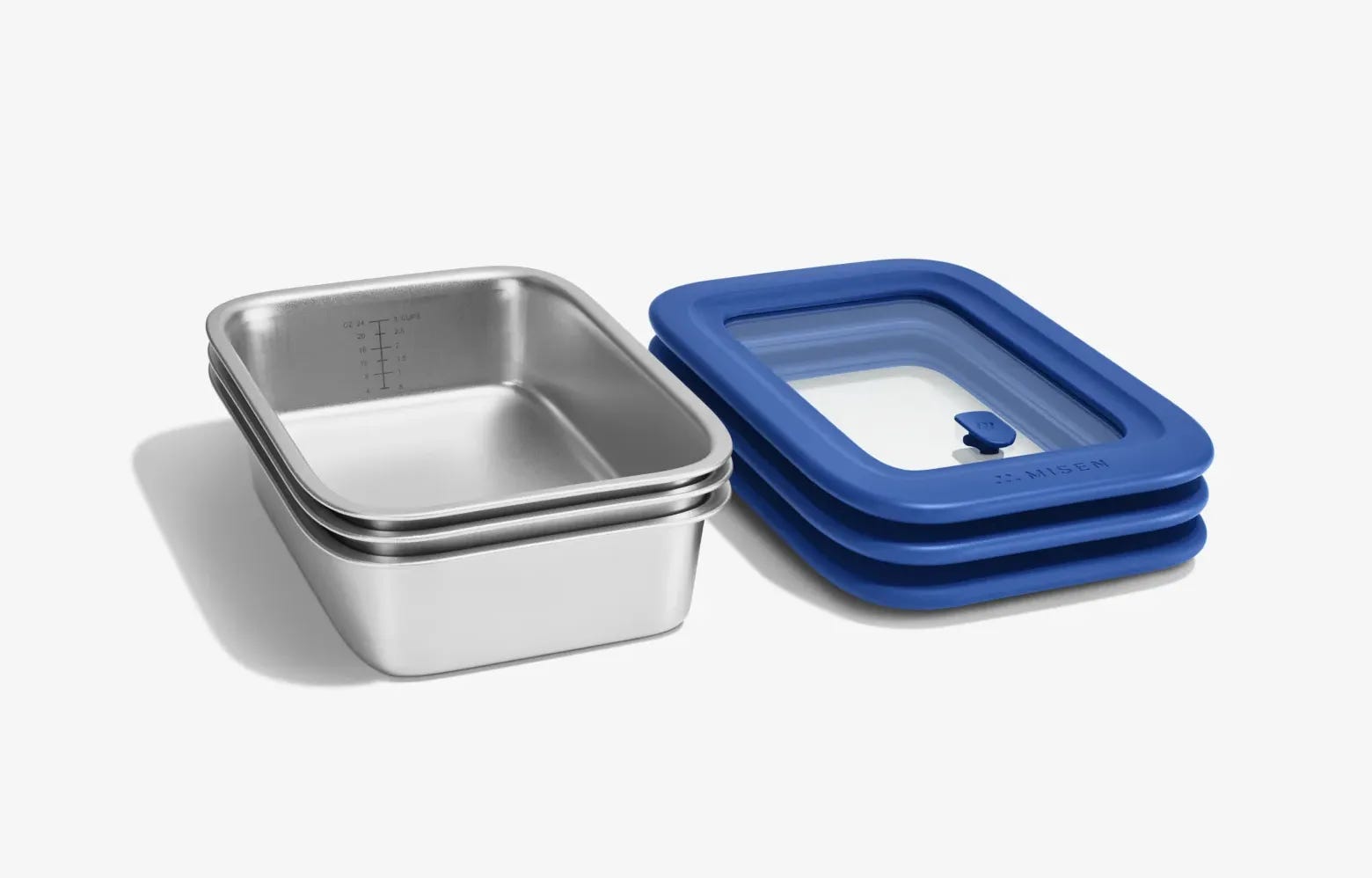
4. Ahead of its November launch, Misen’s stainless steel food storage (non-toxic + microwave-SAFE) is 15% off during pre-sale.
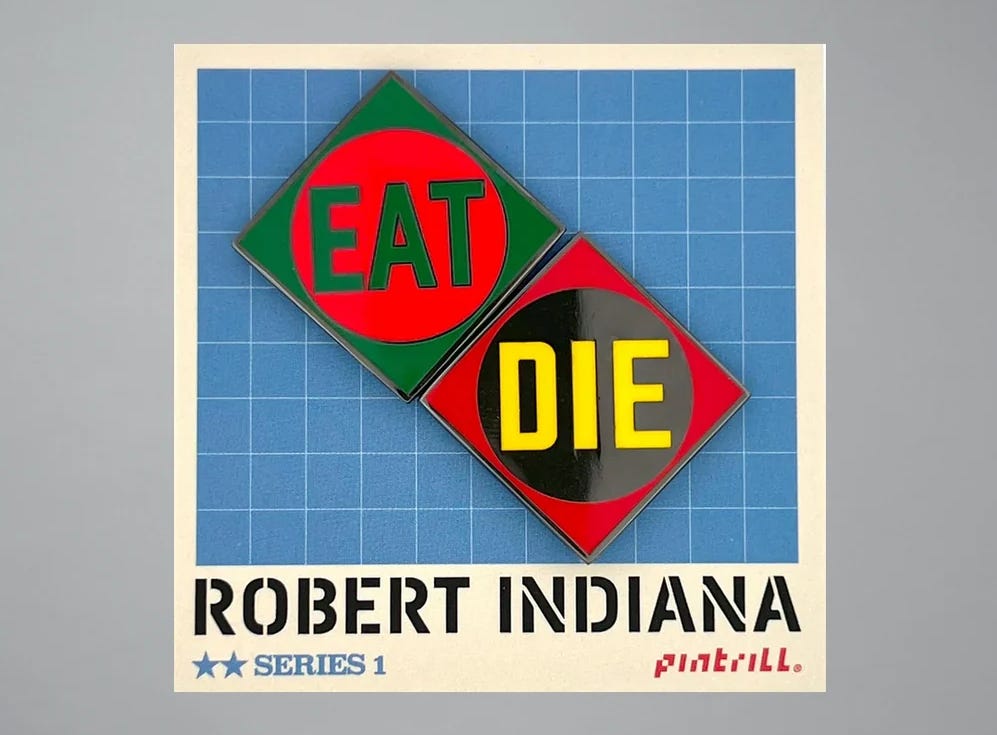
5. A wearable version of Robert Indiana’s 1962 art series Eat/Die.
Those of us who either grew up close to food/cooks/beloved eating places, or came of age during a notable wave of arrivals—and departures—of many legendary New York establishments, spend a lot of time appreciating restaurants. As much as we love and are devoted to our own favorite places, I suspect that connection is very different for the special people who take on the immense responsibility, risk, and uncertainty of opening their own place—especially in this city.
With Danny Meyer’s new memoir, What Could Possibly Go Right?: The Essential Journey to Scale an Enduring Culture, hitting shelves recently, it’s hard not to be in awe of anyone who’s devoted their career to making life-affirming and delicious memories for the world at large—day after day, year after year…decade after decade.
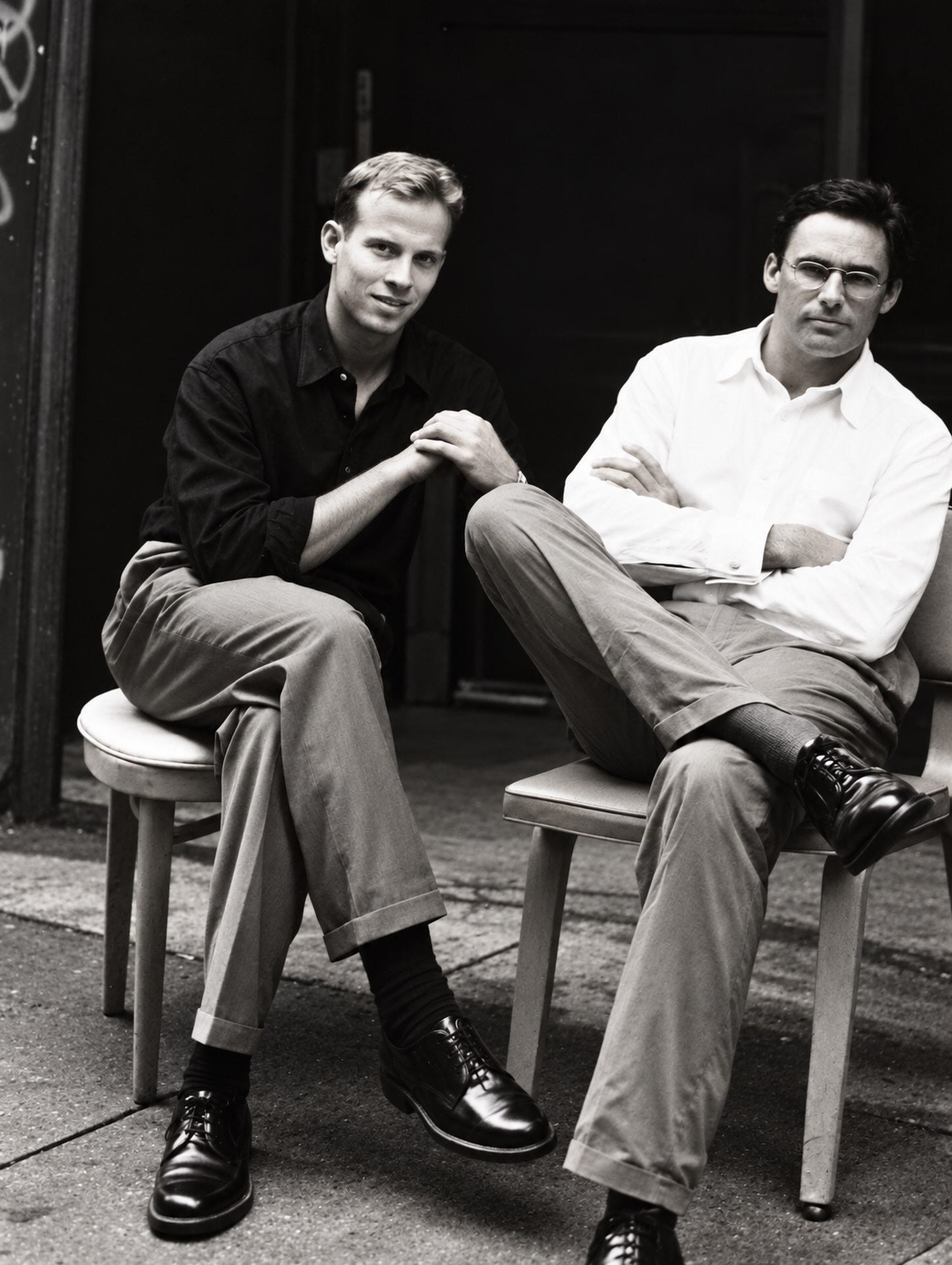
I first met John McDonald back when I was an editor at Gourmet magazine. It was the mid-’90s, and I was heading to Phoenix to research restaurants and other good food places for an upcoming story. I’d heard he was the proprietor of the “coolest” bar in town. We remained in touch, and about a year later, I fatefully joined JM on a magazine journey that changed both of our lives.
Since then, JM and any one of his spots from his clutch of establishments have impacted so many other people, too. But it’s not easy (it never is). This summer, he and his team at Lure Fishbar, his longest-running restaurant in SoHo, confirmed it was here to stay after rumors it was in danger of closing. And in August, they endured a cataclysmic flood. When Lure reopened after some extensive repairs just a week later, the crowded tables and magic were restored. The wheels kept turning.
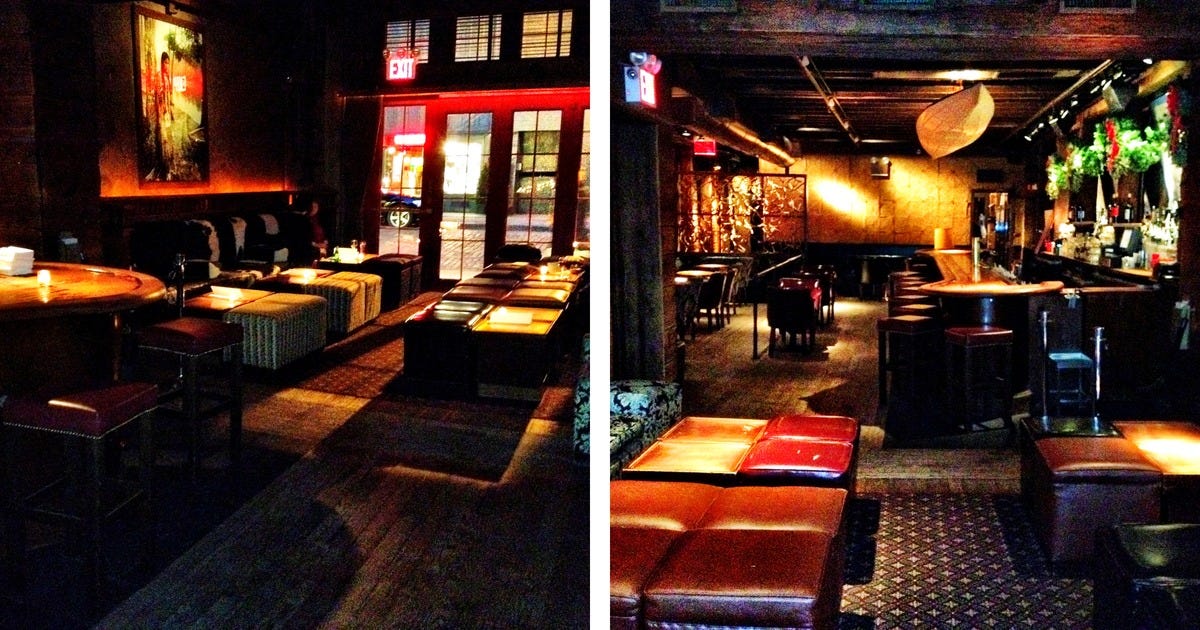
If you’ve lived in New York City long enough, you know that level of endurance is hard-won. It requires the kind of faith and tenacity most of us have only read about in books or seen on screens. It seems unreal that they make all these memories happen meal after meal, but it isn’t. There is a small society of restaurant owners, proprietors, and visionaries who believe that a truly great dining experience has the ability to change someone’s life. And if it doesn’t change their life, it will at least change their mood.
And so, one day not long ago when we were having an OTH meet-up, I asked John if he wouldn’t mind making a list of some of the most notable or memorable things he’s learned running and growing and closing restaurants over the past 30 years. Or, more specifically, what he’s learned about how to take care of people in a shared space, when that’s exactly what they came for. His response was this (very JM, if you know him): “You can ask me questions, and I’ll answer them. Will that work?”
Yes, it does.
1. What were you most afraid of in the beginning? And what, if anything, scares you now?
“In my early days, I wasn’t scared of much. That comes with being young and naive, but it was also a different time: the ways people judged your work were slower and less aggressive. These days, you have to have thick skin and be much more resilient to the constant feedback and occasional attacks. But, over time I’ve learned that these waves of micro-critics are nothing to be afraid of. If anything scares me now, it’s wasting time. I always have a sense of urgency to get things done. ASAP.”
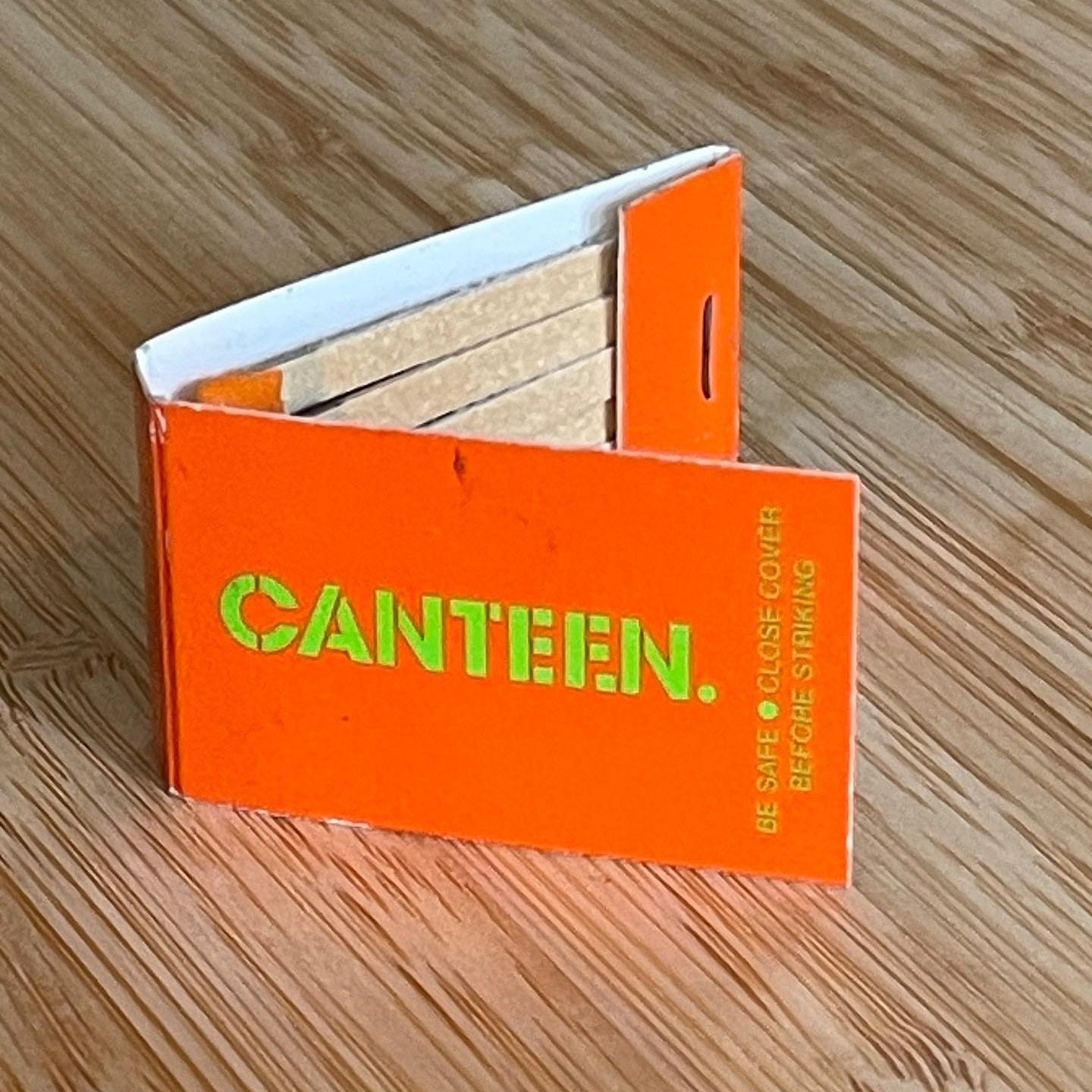
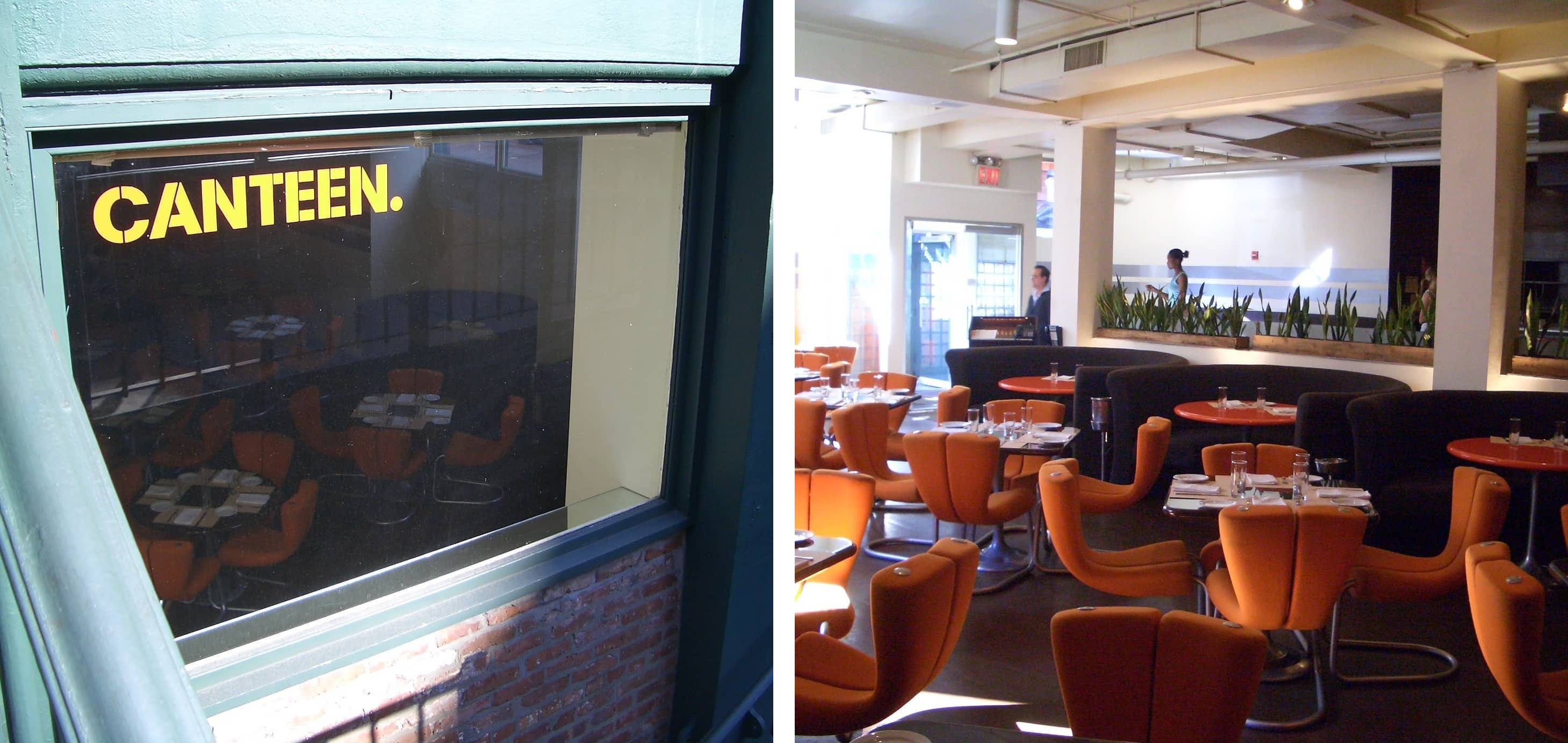
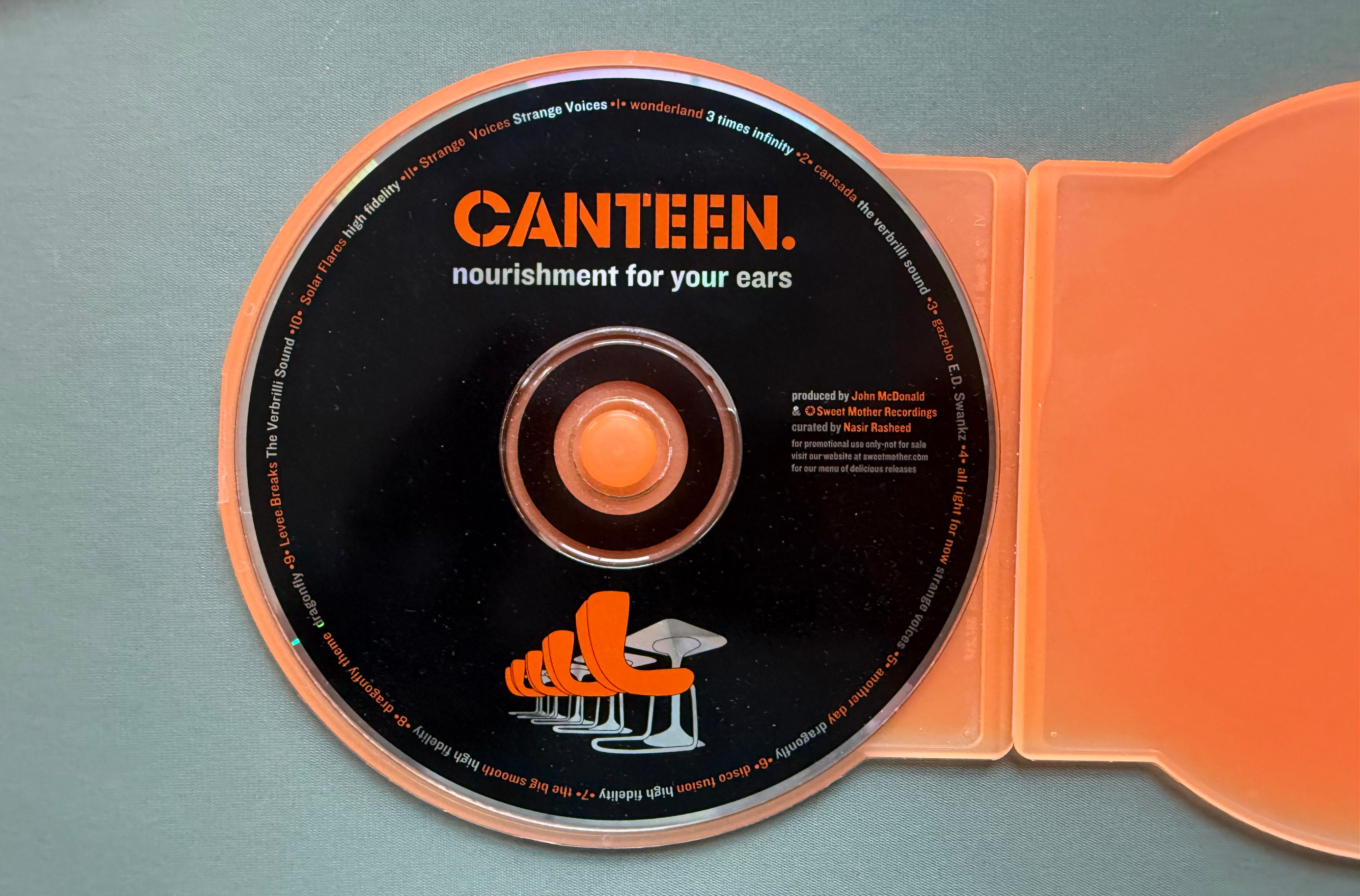
2. When did you know you wanted to do what you do?
“When I first moved to New York City to finish college, I was socially around a group of downtown/creative/business guys: André Balazs, Campion Platt, Serge Becker, Eric Goode. They were creating, designing and owning their own projects, and I can remember how appealing it seemed to have some firsthand involvement in building these types of projects. They were integral to how and why I even thought opening MercBar was possible.”
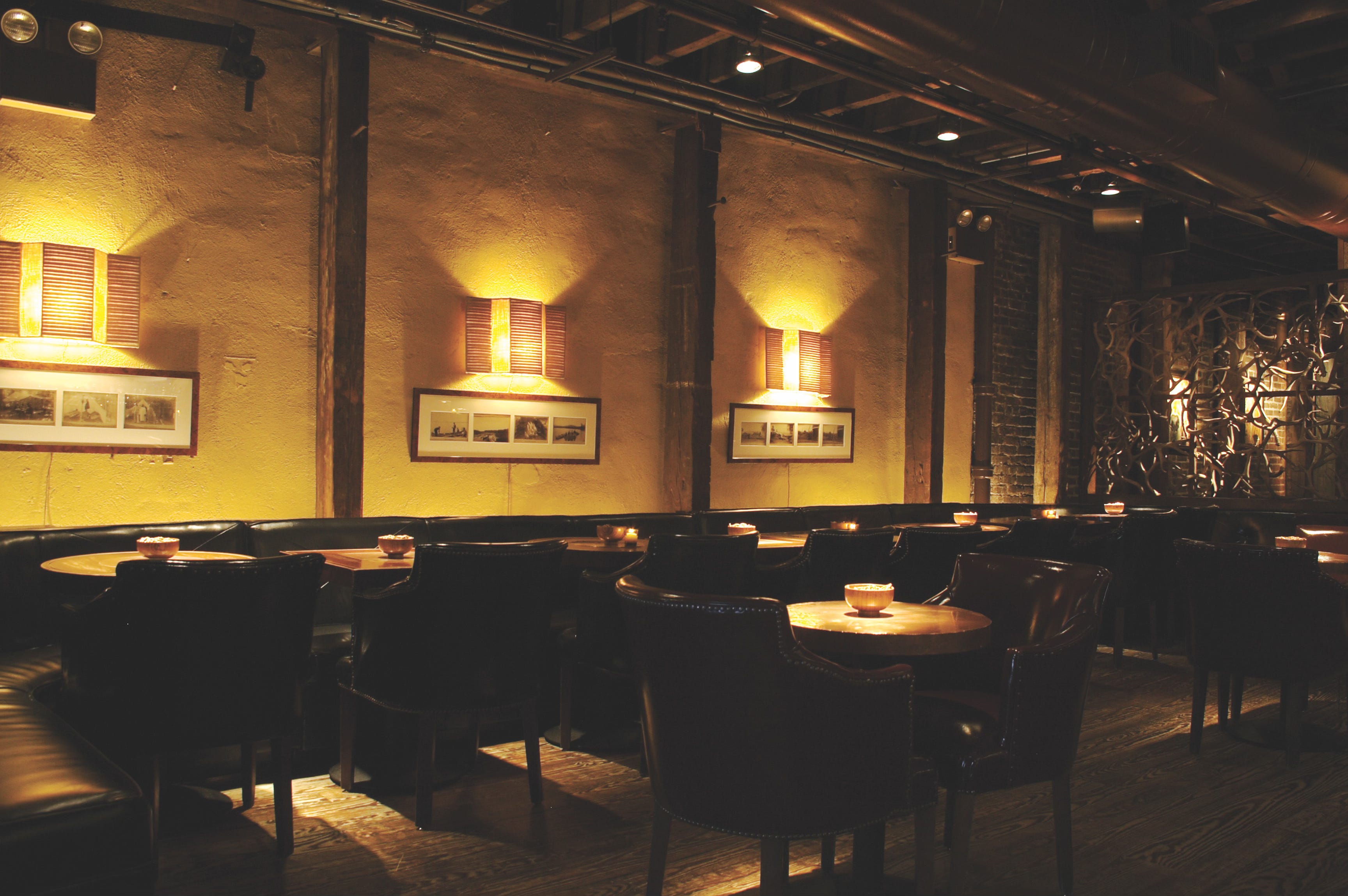
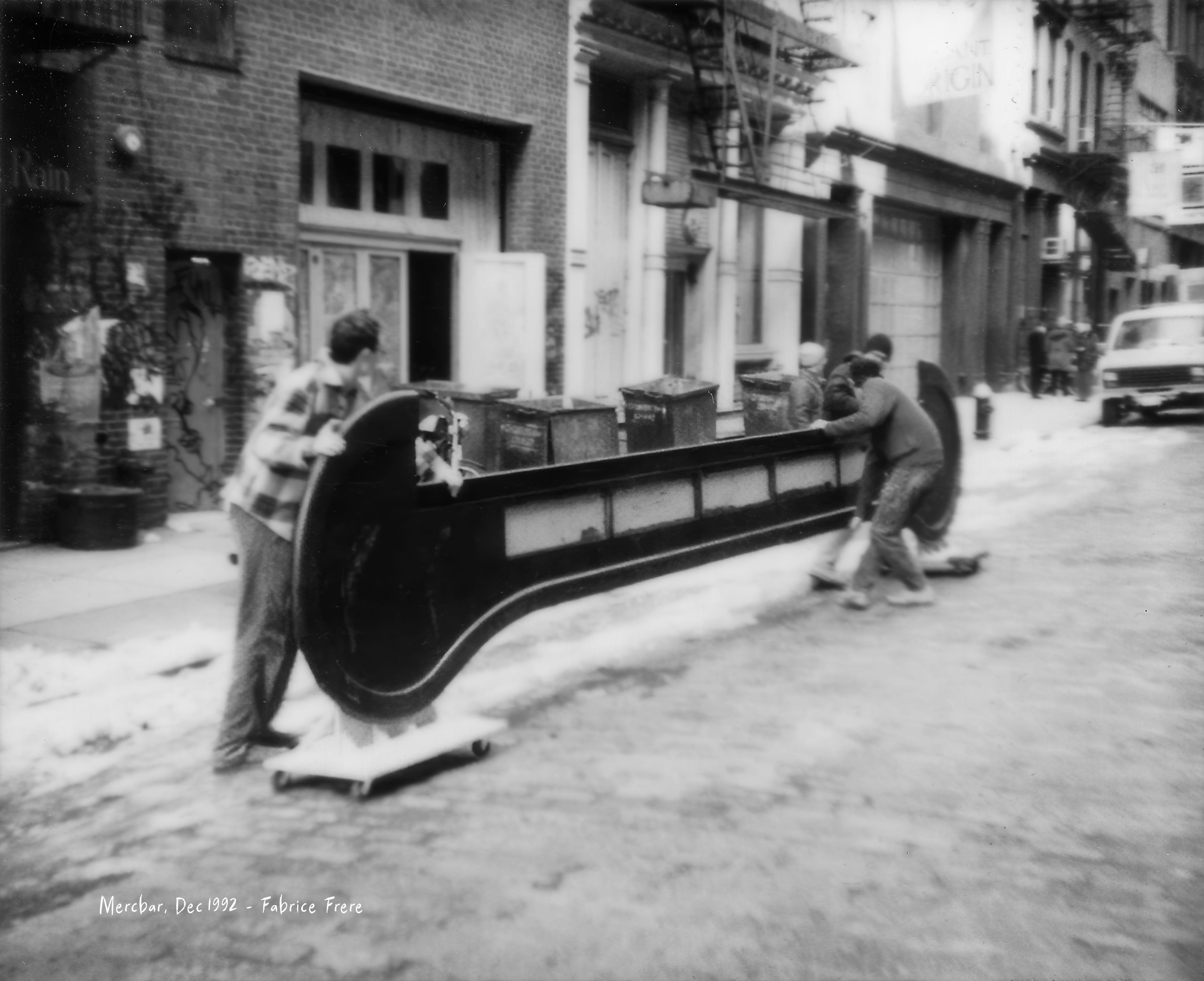
3. Have any of your endeavors failed? If so, what did it teach you?
“Sometimes what you think will be (or is) a huge success gets derailed by factors you just can never see coming. Josh Pickard and I created Lever House, which had a world-class team, a historic building, earned a Michelin star, and was a huge critical hit. Then the 2008 financial crisis hit and decimated the business. That was a lesson in how to be prepared for anything—and move on without wallowing in it.